Get Full Government Meeting Transcripts, Videos, & Alerts Forever!
Get email alerts on the School Meals topic
No spam. Unsubscribe anytime.
Camdenton board approves 10¢ meal price increase as members weigh $121,000 in lunch debt
Summary
The Camdenton R-III School District board approved a 10¢ increase in student meal prices for 2025–26 after a lengthy discussion about growing lunch debt, efforts to increase free/reduced applications and possible enforcement changes to district policy.
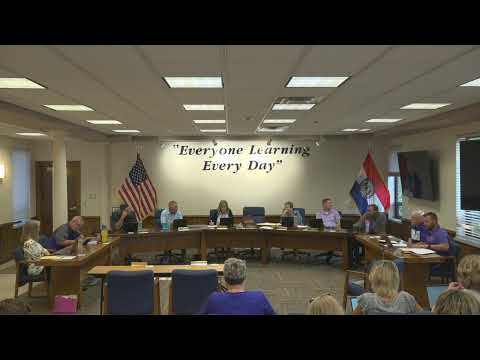
The Camdenton R-III School District Board of Education voted June 9 to increase student meal prices by 10 cents for the 2025–26 school year after a presentation from the district food service representative and extended discussion about unpaid meal balances.
Board approval came after a food service staff member (identified in the meeting as Nikki) recommended the per-item increase “to stay on track with our budget,” citing a DESE pricing tool and comparisons with neighboring districts. The motion to approve the increase passed with board voices of “Aye.”
The item mattered to trustees because the district’s net negative meal-account balance rose to $121,000.50 this school year, up about $40,000 from the previous year. Nikki told the board that about $13,000 of the current balance is attributed to graduated seniors who left outstanding lunch debt. "I think a 10¢ increase is recommended," Nikki said during the report, and added that district directors are exploring whether breakfast could be provided free in other districts and whether Camdenton could follow suit.
Board members pressed for operational steps beyond the price change. Trustee Kelly and others asked whether strengthening communications and application outreach could reduce unpaid balances; one board member suggested sending letters when an account reaches a set negative threshold and including free/reduced application forms. Nikki said eligibility guidance and updated income thresholds will be posted July 1, and that any applications submitted on or after July 1 would apply to the next school year.
Trustees discussed non-price approaches: using Infinite Campus for registration and payments, targeted media outreach, increased reminders (email/text), and possible administrative consequences for older students. Multiple trustees said they did not want younger students punished for adult issues but considered limiting participation in some extracurricular activities for older students who are repeatedly delinquent. Trustee Brian urged clearer, enforceable policy language: “The policy needs to be rewritten … spell out what ramifications we can approve and then enforce the policy.”
Nikki described steps the district already takes: weekly messages via Infinite Campus, outreach by secretaries, and occasional solicitations from volunteers who privately pay off balances. The board asked staff to revisit collection and communication strategies and to bring proposed policy language or administrative procedures back for consideration.
The motion approved at the meeting covers the 2025–26 meal pricing only; the district also scheduled staff follow-up on options to increase free/reduced applications, review communication practices, and consider targeted administrative remedies for upper-grade students with chronic balances.
The board publicly recorded the motion and vote during the meeting; no citation to state statute or other legal authority was introduced in the discussion beyond reference to DESE tools and federal USDA guidance on school meals.
The price update and the broader policy review are expected to produce proposed procedural changes before the next school year, and staff said they would return with specifics on communications, application deadlines and any recommended policy language for board review.