Sharp Split at Senate Finance Hearing Over ‘1 Big Beautiful Bill,’ Deficit and Health Cuts
Summary
Treasury Secretary Besson defended the administration's proposal to make the 2017 tax cuts permanent and argued projected growth would offset costs, while Democratic senators warned the bill would add trillions to the deficit and strip health and nutrition benefits from millions of Americans.
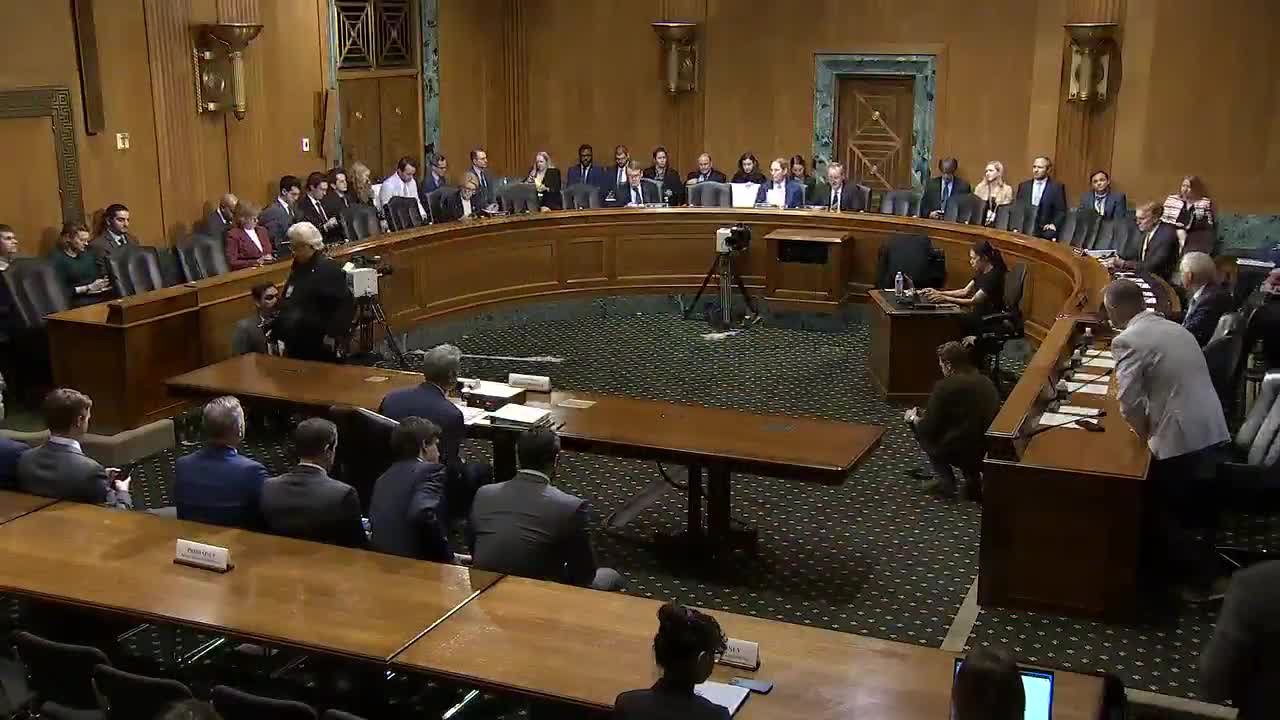
Treasury Secretary Besson told the Senate Finance Committee that the administration's "1 Big Beautiful Bill" to make the 2017 Tax Cuts and Jobs Act permanent is aimed at boosting growth and providing certainty for businesses and households. Secretary of the Treasury Besson said making the tax changes permanent would spur capital expenditures and raise take-home pay for many families.
The debate centered on competing forecasts of budget impact and the bill's provisions for health and nutrition programs. Committee Democrats repeatedly cited nonpartisan scores and outside analyses showing large deficit increases and large program cuts, while Besson and committee Republicans said growth and tariff revenues would materially change the arithmetic.
Why it matters: The package would change income and business tax law that affects millions of taxpayers, and several senators warned that pay-fors included deep reductions to Medicaid, the Affordable Care Act and SNAP that could reduce coverage and benefits for millions of people.
Secretary Besson told the committee that failing to extend the 2017 tax law would be "what is known in economics as a sudden stop" and predicted economic harm if the tax provisions expired. He also stated his view that "over the 10 year window, it will decrease" the deficit when accounting for economic responses he expected from permanence and pro-growth provisions.
Democratic senators disputed that view and cited analyses they said showed the package would add trillions to federal borrowing. Senator Ron Wyden (D.-Ore.), the committee's ranking member, described the House bill text as containing "the largest cuts to health care and food assistance in American history," and cited figures—attributed in his remarks to the House text and independent studies—about large reductions to Medicaid, the Affordable Care Act and automatic Medicare spending.
Senator Elizabeth Warren (D.-Mass.) pressed Besson directly on CBO scoring, asking, "Will this bill increase or decrease the deficit?" Secretary Besson answered, "It is my view that over the 10 year window, it will decrease." Democrats pointed to the Congressional Budget Office and other independent scorekeepers, and to outside estimates they said projected a multi‑trillion‑dollar addition to the debt absent yet‑to‑be‑enacted offsets.
Tariffs and other revenues were a recurring theme in Republican questioning. Committee witnesses and members repeatedly referenced projected tariff receipts as a partial offset to the bill's cost; Besson and allies referenced tariff revenues that they said should be counted alongside the bill's score. Democratic senators said relying on yet‑to‑materialize tariff revenue to fund permanent tax changes was speculative and urged transparent, statutory offsets.
Health and nutrition implications featured prominently. Senator Wyden and others cited numbers during the hearing claiming large Medicaid reductions (figures cited in committee remarks included an $800 billion Medicaid cut in the House text), SNAP reductions and millions of people who could lose coverage under the legislative provisions being discussed. Senator Tina Smith (D.-Minn.) and others warned that losing coverage would raise uncompensated care and medical debt and could strain rural hospitals.
On process, Ranking Member Wyden and other Democrats pressed for open markups and amendments in public sessions; Republicans and Secretary Besson defended their procedural approach and said prior reconciliation processes had followed similar steps.
The hearing produced extended exchanges but no formal committee votes. Senators from both parties used the hearing record to press the Treasury secretary on the assumptions underlying projections, the structure of pay‑fors, and the potential effects on families, hospitals and small businesses.
Looking ahead: Committee members set questions for the record and signaled continued, intensive negotiations on the legislative text as the House and Senate processes proceed.