HUD Nominee Promises Faster Responses as Senators Demand Answers on Contract Cancellations and Delayed Grants
Summary
Mister DeMarzo, President Trump’s nominee for HUD’s office of congressional and intergovernmental relations, pledged to prioritize timely congressional responses and to work with HUD program offices to resolve stalled grants and contracts.
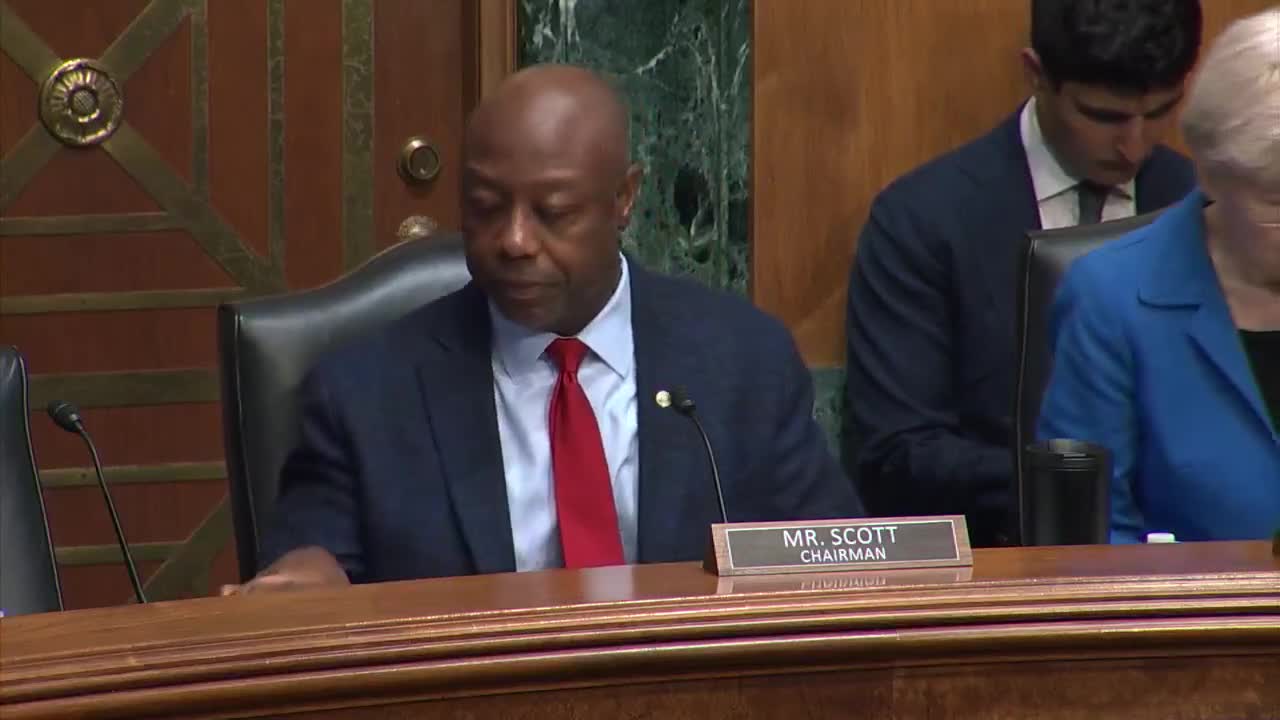
Mister DeMarzo, President Trump’s nominee for HUD’s office of congressional and intergovernmental relations, told the Senate Banking, Housing, and Urban Affairs Committee he would make constituent services and timely responses to congressional inquiries a top priority if confirmed.
Senators who questioned DeMarzo described multiple examples of stalled funding and interrupted contracts. Senator Tina Smith said an affordable‑housing nonprofit in Minnesota was awarded a $3,800,000 grant under HUD’s Green and Resilient Retrofit Program, only to see the award terminated at the direction of the Department and then partially restored by court order. Smith said the grantee still had not received funds and that HUD had not answered questions from the grantee or members’ offices; DeMarzo replied, “I’ll work with the program office leadership to look into this specific situation and get the grantee and your constituency information they need.”
Senator Shelley Moore Capito and others also raised delays in finalizing HUD contracts for youth‑homelessness providers, some dating to 2024. DeMarzo acknowledged that leadership vacancies and the pending confirmations limited HUD’s ability to process requests and said that he would work with program offices and committee staff to resolve outstanding matters if confirmed.
Why this matters: delayed or terminated HUD contracts and grants can affect housing conditions, rehabilitation projects and nonprofit service delivery. Senators said some organizations faced program interruptions while waiting for HUD to process awards.
DeMarzo described his relevant experience and told the committee that the office’s role is to “serve as HUD’s primary liaison for federal, state, and local officials” and to provide support to congressional offices so they can resolve constituent issues. He said his top priorities would be “constituent services, technical assistance on legislation, and open communication between the department and your offices.”
Committee staff closed the hearing by setting deadlines for written follow‑up to the record. Senators and nominees were asked to return written responses by the times and dates specified in the hearing transcript to allow the committee to proceed with nominations.