Get Full Government Meeting Transcripts, Videos, & Alerts Forever!
Get email alerts on the Recruiting Readiness topic
No spam. Unsubscribe anytime.
Navy recruiting improves, but senators press leaders on gap at‑sea billets and readiness reporting
Summary
Witnesses reported improved recruiting—Navy contracted more sailors than in decades—but senators pressed the Navy on persistent at‑sea billet shortfalls, reporting practices and timelines to close gaps.
Senators and Navy witnesses discussed recruiting gains and remaining shortfalls in at‑sea billets, highlighting personnel challenges that affect ship readiness and operational surge capacity.
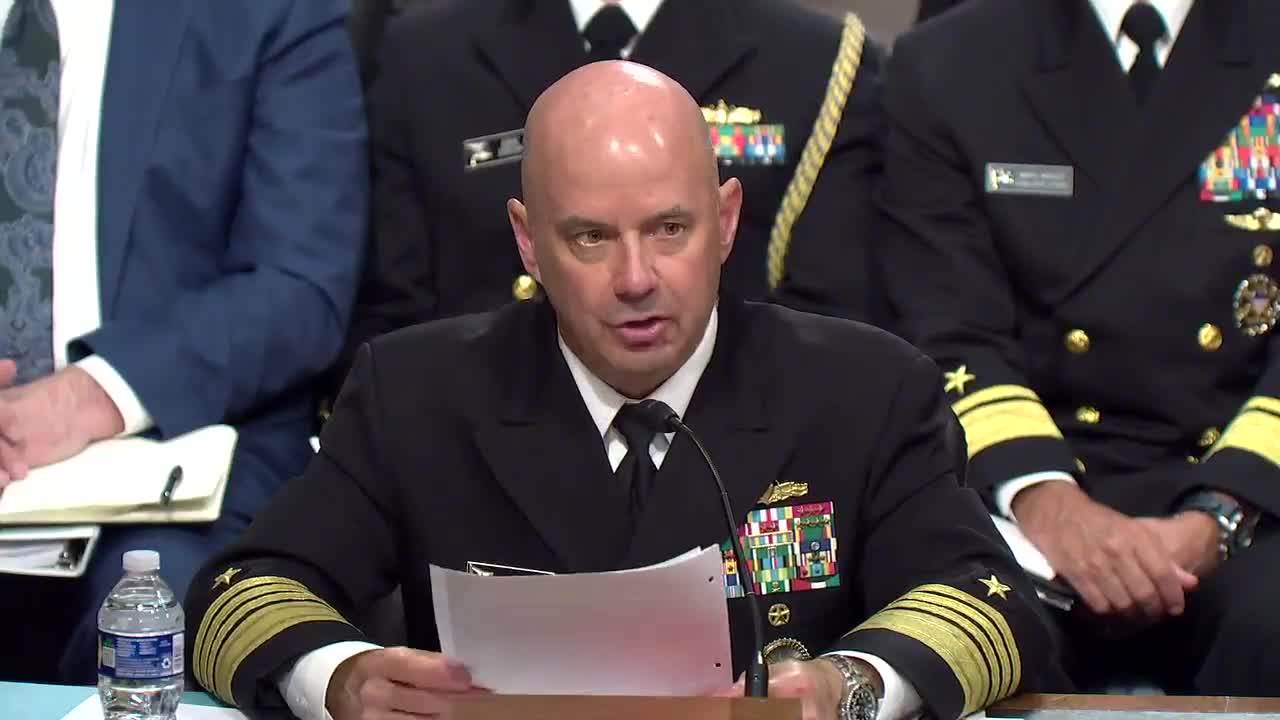
The Navy reported strong recruiting: Admiral Kilby said the Navy “contracted over 40,000 sailors last year, the most since 02/2003,” and he described the delayed entry program as recovering from earlier lows. Committee members also credited recent political focus and pay increases for a recruitment uptick: Senator Mike Banks and Secretary Phelan agreed that recruiting “saw a bump after the election.”
Why it matters: Manning shortfalls translate into gaps at sea and limited surge capacity. Senators said that even with improved recruiting, personnel shortfalls—particularly among junior enlisted ranks—remain critical to fleet readiness.
Key numbers and concerns: - Gaps at sea: Witnesses cited about 22,900 to 23,200 gaps at sea in recent testimony and said that number is trending down as recruiting improves. Senators said the shortage affects junior enlisted billets and inflates operational strain. - Readiness reporting and transparency: Senators raised a GAO finding they said showed unusual personnel accounting practices—counting junior sailors in senior billets—that could misstate readiness. Secretary Phelan asked to review the GAO report and pledged to improve transparency. - Retention and quality‑of‑service issues: Witnesses and senators linked recruiting and retention to housing, barracks and quality‑of‑life investments; Secretary Phelan and General Smith discussed improvements to housing and Barracks 2030 for marines.
Next steps: Committee members requested follow‑up on the specific GAO findings about personnel reporting, timelines for reducing at‑sea gaps, and details on incentives and recruitment programs that produced the recent gains.
Ending: Lawmakers praised increased recruitment but warned that turning recruitment gains into fully trained, held billets aboard ships will take time and continued attention to training, housing and retention.