Citizen Portal

Senate Commerce Committee presses Brian Bedford on FAA modernization, accountability and leadership pledge

3841614 · June 11, 2025

Get AI-powered insights, summaries, and transcripts

Subscribe
AI-Generated Content: All content on this page was generated by AI to highlight key points from the meeting. For complete details and context, we recommend watching the full video. so we can fix them.

Summary

Nominee Brian Bedford told the Senate Commerce Committee he will prioritize public safety, lead FAA modernization efforts and serve a full five-year term if confirmed, while senators pressed him on funding, procurement and measurable accountability for a multi‑billion-dollar air‑traffic control overhaul.

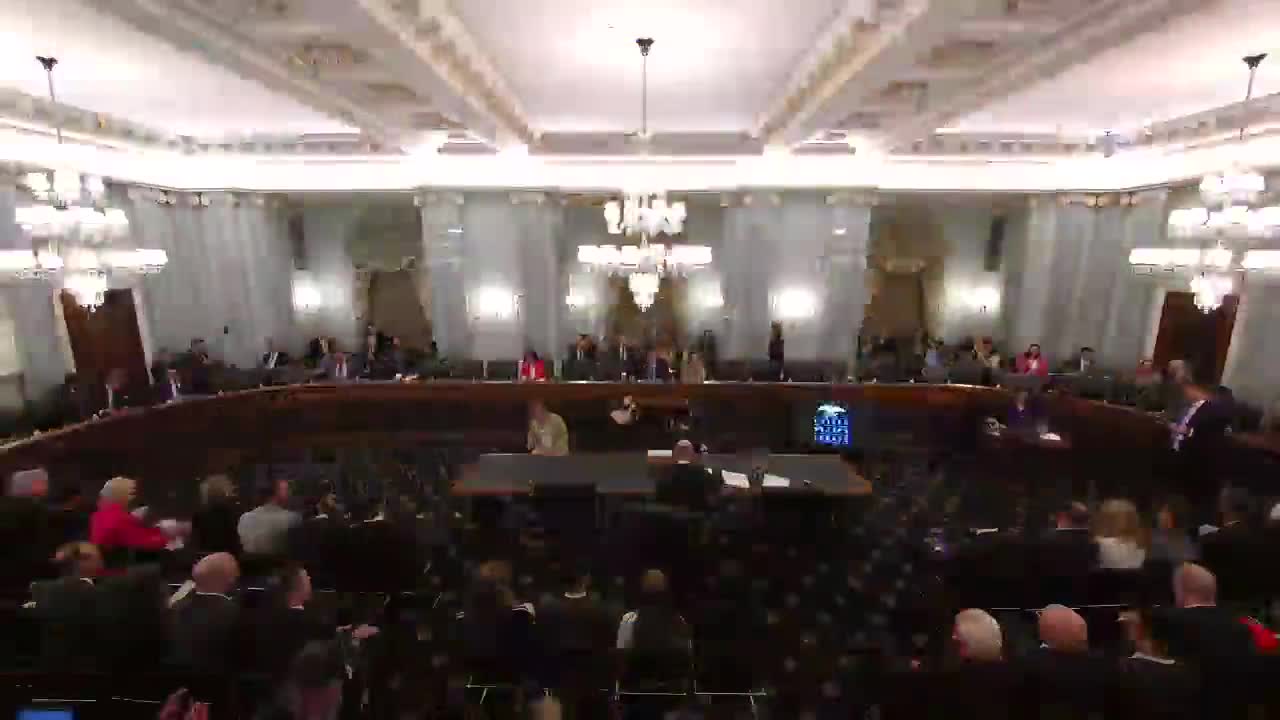
Brian Bedford, President Donald Trump’s nominee to lead the Federal Aviation Administration, told the Senate Commerce, Science, and Transportation Committee that his top priorities if confirmed will be public safety, modernizing the nation’s air‑traffic control system and stabilizing agency leadership.

The nomination hearing opened with committee members citing recent system failures and the January collision near Reagan National (DCA) as evidence of an ‘‘antiquated’’ air‑traffic control system. Committee Chair Ted Cruz said the commerce title of the administration’s reconciliation proposal would provide ‘‘more than $12 billion’’ in investment for the FAA. Bedford said he would work with the committee and the Department of Transportation to deploy that funding.

Why it matters: Senators framed the hearing around two linked problems — aging infrastructure and high turnover in FAA leadership — and pressed Bedford for concrete plans to translate proposed funding into rapid improvements. Bedford said the FAA currently spends most modernization appropriations keeping the old systems running and argued a different procurement approach is required to deliver capability quickly.

Bedford described his priorities in opening remarks and in responses to senators’ questions. He told the panel, "I am committed to you, to this committee, to serving the full five year term," pledging continuity after years of turnover. On procurement and execution he said the agency should adopt more commercial project‑management practices, run competitive procurements for proven technology and include contractual deliverables and penalties to ensure timely delivery.

Senators pressed specifics. Ranking Member Maria Cantwell (D‑Wash.) asked for assurances the FAA would implement the FAA reauthorization’s safety and technology mandates without shortcuts; Bedford agreed the agency must be ‘‘all hands on deck.’’ Several senators asked how the FAA would track progress; Bedford proposed a project‑management plan with clear lines of sight on deliverables and contractual commitments to private partners.

Bedford also told the committee he had reviewed FAA operating centers and that much of the agency’s modernization budget is consumed by sustainment of legacy systems, leaving little available for new investments. He urged rapid deployment of available, commercially proven technologies already used overseas.

The hearing included repeated references to a proposal in the reconciliation text to provide a down payment for modernization. Senators stressed oversight: they said they expect regular briefings, transparent milestones and accountability to ensure appropriations produce operational improvements rather than years of planning.

The committee did not vote on the nomination during the hearing. Senators said they will follow up with written questions and expected additional documentation on Bedford’s specific modernization plan, procurement timeline and metrics for measuring progress.