Lifetime Citizen Portal Access — AI Briefings, Alerts & Unlimited Follows
Senators press Navy on amphibious fleet readiness and statutory 31‑ship requirement
Loading...
Summary
Lawmakers cited a GAO report and committee findings that many amphibious ships are in poor material condition, questioned whether the Navy meets a statutory 31‑ship amphibious requirement, and asked how the service will restore readiness.
Senators on the Armed Services Committee pressed Navy and Marine Corps leaders about the material condition and readiness of the amphibious fleet and whether the service meets a statutory requirement for 31 operational amphibious warships.
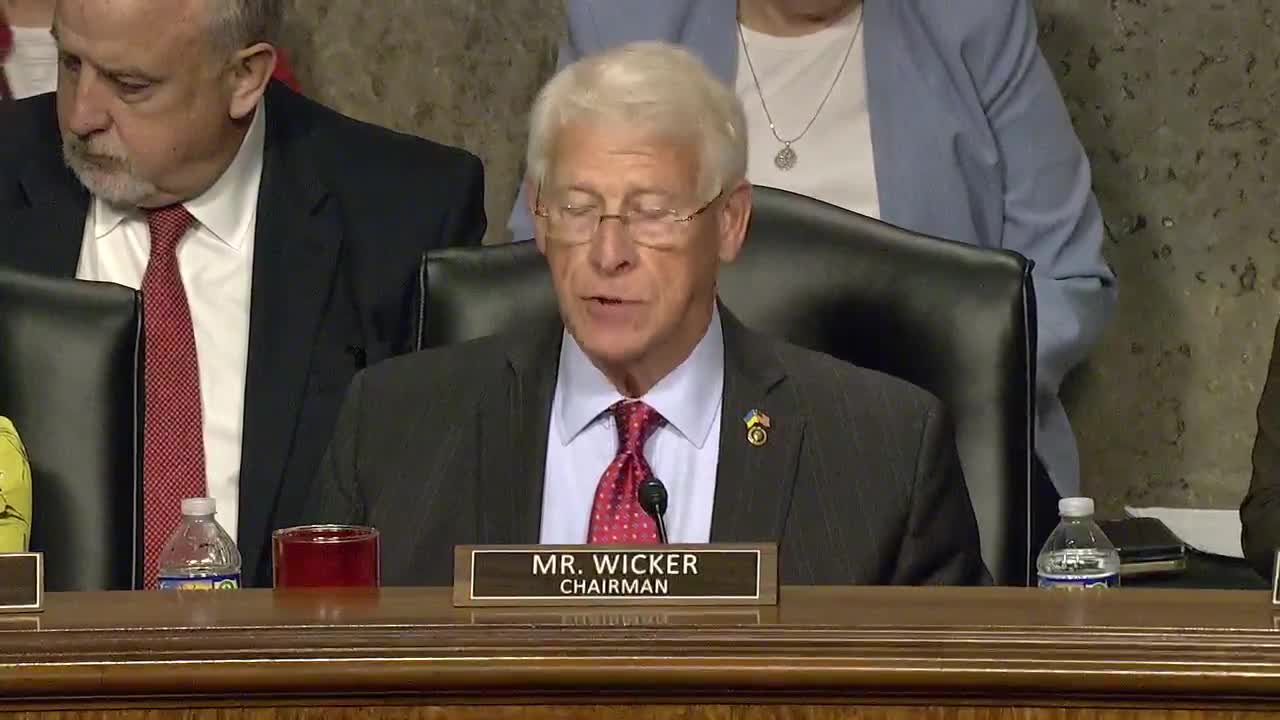
Senator who led the questioning said a GAO report “highlighted that 16 of the 32 amphibious ships are in poor material condition” and noted that the number of seaworthy amphibious ships reported earlier by the Marine Corps had fallen to 13 as of March. Senator Wicker and others warned that amphibious shortfalls threaten the requirement to sustain three amphibious ready group/marine expeditionary unit presences.
Why it matters: The committee tied amphibious readiness to global force posture, embassy support and contingency response. Senators said shortfalls increase operational risk and complicate the Marine Corps’ force design goals.
Key points from testimony and exchange: - GAO and readiness numbers: Senators cited a GAO report and Marine Corps briefings showing many amphibious ships in poor material condition because of deferred maintenance, obsolete systems and spare‑parts shortages. When asked whether the senator’s figures were correct, General Smith replied, “No, sir. You are correct,” acknowledging readiness concerns and praising naval efforts to improve the fleet. - Statutory requirement: Senators quoted statutory language requiring “not less than 31 operational amphibious warships,” and debated whether ships in maintenance should be counted as meeting the statute’s intent. Admiral Kilby said that by the letter of the law the Navy is meeting the count but acknowledged available ships are below readiness goals. - Path forward: Witnesses pointed to the Optimized Fleet Response Plan (OFRP) and targeted maintenance and manning improvements as means to raise readiness. General Smith and Admiral Kilby both said the Navy and Marine Corps are prioritizing availability, maintenance predictability and workforce stability. Senators pressed for timelines and GAO recommendations to be implemented.
Specific acquisition question — LSM (landing ship medium): Senators asked General Smith whether a purpose‑built LSM is available soon and whether he supports a block buy. Smith said he “is always supportive of block buys because they save the American taxpayer money and they reinforce the workforce” and that a purpose‑built design would take “more than 2” years to field if pursued now; he added that surrogates could be used in the near term while a purpose‑built ship is developed.
Ending: The committee requested written follow‑up on GAO recommendations, clarifications on what counts as an “operational” amphibious warship for statutory compliance, and implementation timelines for planned maintenance and workforce initiatives.