Senate panel presses Navy on plunging shipbuilding funding, industrial base recovery
Get AI-powered insights, summaries, and transcripts
SubscribeSummary
Senators pressed Navy leaders about a large drop in the FY2026 shipbuilding request, the omission of destroyer and Virginia‑class submarine procurements, and steps to rebuild the maritime industrial base and workforce.
Senate Armed Services Committee members on Monday criticized the Navy’s FY2026 shipbuilding request and pressed senior Navy leaders for a plan to restore production, industrial capacity and workforce skills.
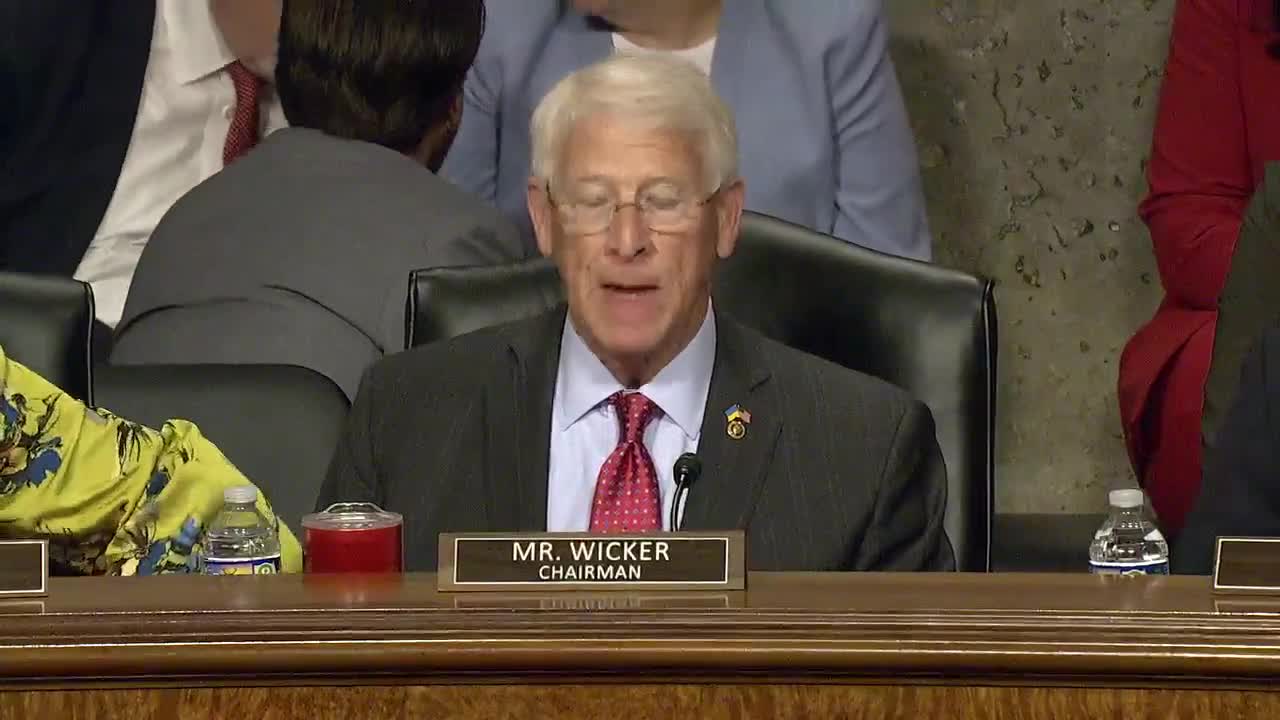
The matter was central to opening remarks by Chairman Roger Wicker, who said he was “deeply disappointed with the administration's fiscal year 20 26 budget request for the Navy,” and highlighted a fall in the shipbuilding account from $37,000,000,000 last year to $20,800,000,000 in the current proposal. He warned the request “does not include the procurement of a new destroyer” and noted the omission of Virginia‑class submarine buys.
Why it matters: Committee members said predictable, base budget funding is required to sustain shipyard workloads, keep skilled trades employed and meet long‑term fleet goals cited in law. Members tied procurement planning to industrial recovery programs and multiyear purchases that underpin yard hiring and equipment investments.
Most urgent facts: Navy witnesses acknowledged the industrial base and workforce are central problems. Secretary John Phelan said he has toured shipyards and installations, and that the department is developing “a deliberate, actionable plan to restore our industrial base.” Admiral James Kilby told senators the Navy had set an 80% combat surge‑ready goal for ships, aircraft and submarines and is below that target in several areas.
Details and committee concerns: Senators pressed officials about several programmatic specifics and the downstream effects of the budget request: - Destroyers and frigates: Members said an established pattern of requesting two destroyers annually (with Congress typically funding a third in odd‑numbered years) was broken by the FY2026 submission. Wicker said failing to request two destroyers “destabilizes industry, shows bad faith, and slows our shipbuilding efforts.” The Constellation (frigate) program was also noted as omitted from the base request after earlier halts for design instability. - Submarines and Columbia program: Wicker and other senators flagged omission of expected Virginia‑class procurement and said reconciliation funding was being counted on to buy single boats; the hearing record said multiyear plans “presume 9 boats over 5 years instead of 8” and that Columbia‑class strategic submarine funding is undercut by about $4,000,000,000 and reliant on unapproved authorities for incremental funding. - Industrial initiatives: Witnesses described programs intended to restore capacity, including a shipbuilder accountability and workforce support initiative (referred to in testimony as “SAWS”) and the Shipyard Infrastructure Optimization Program. Phelan and Kilby urged whole‑of‑government and industry collaboration to rebuild capacity. - Budget structure and reconciliation: Several senators urged that relying on reconciliation or supplemental authorities instead of the base budget harms industry planning and confidence; Senator Angus King asked the Navy to push for shipbuilding consistent with long‑term plans rather than shifting procurement into reconciliation accounts.
What leaders plan to do: Secretary Phelan said he is focused on three priorities—strengthening shipbuilding, fostering an adaptive warfighting culture, and improving sailor and marine quality of life—and promised to develop and brief a plan for industrial base recovery. Admiral Kilby said the Navy is working to reduce maintenance delays, improve manning and modernize sustainment to increase availability.
Open questions and next steps: Committee members asked for more detail on timelines and specific procurement decisions, including whether the administration will reverse the reduced shipbuilding topline in the base budget. Senators requested written follow‑ups and more detailed schedules for when the Navy expects industrial metrics (productivity, yard availability, and procurement pace) to improve.
Ending note: Lawmakers emphasized that predictable, front‑loaded procurement and a visible, funded industrial plan are prerequisites to restoring shipyard throughput and meeting long‑term fleet requirements.