Get Full Government Meeting Transcripts, Videos, & Alerts Forever!
Get email alerts on the Nih Geography Nursing Addiction Data topic
No spam. Unsubscribe anytime.
Lawmakers press NIH on geographic equity, cancer and nursing research, AI initiatives and addiction funding
Summary
Senators raised concerns about the distribution of NIH funding across states and institutions (IDeA program, NCI centers), protections for nursing and addiction research, and the role of NCATS and AI; Director Bhattacharya pledged to expand geographic dispersal of research funds, support INCLUDE and work with Congress on institute restructuring.
Senators used questioning at the hearing to press NIH leadership on how the agency will ensure geographic equity in research funding, expand access to National Cancer Institute‑designated centers and protect targeted research programs such as nursing and addiction research.
Geographic equity and IDeA
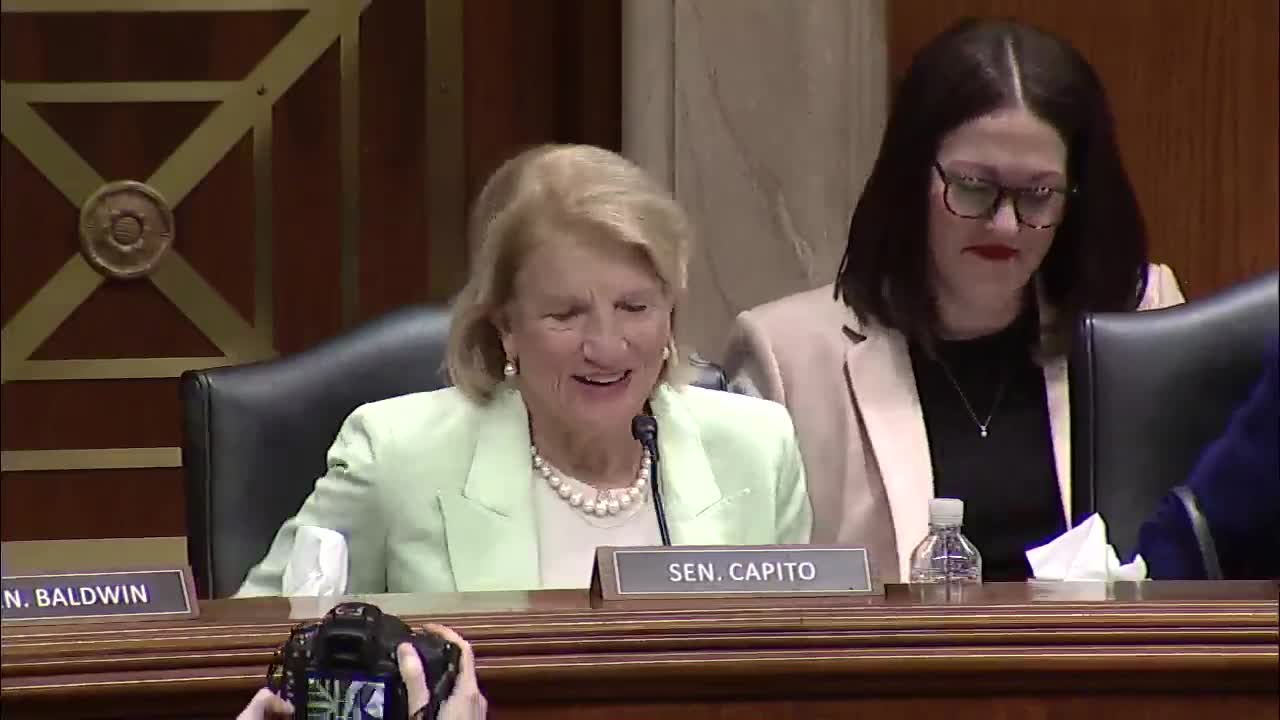
Chair Capito and other senators emphasized the importance of the IDeA (Institutional Development Award) program, which provides funding to historically underfunded states, and asked how Bhattacharya would preserve and expand opportunities for researchers in smaller and rural states. Bhattacharya called IDeA “tremendously important,” said it was “less funded than it ought to be” (noting roughly $440 million in FY2024) and said he would work with Congress to increase geographic dispersion of NIH funding so that research opportunities are not concentrated in a limited number of universities.
Access to cancer centers
Senators highlighted that 14 states lack an NCI‑designated cancer center and asked how NIH would close that gap. Bhattacharya said expanding NCI investments and clinical trial networks to better represent the U.S. population is a “major priority.”
Nursing research and the National Institute of Nursing Research (NINR)
Multiple senators, including Dick Durbin and others representing healthcare providers, pressed Bhattacharya about proposals discussed in the budget to change NIH’s institute structure. They asked whether nursing research supported through NINR would continue if organizational changes were pursued. Bhattacharya said the specific structure is less important to him than ensuring the substantive research — for example, studies of patient‑to‑nurse staffing ratios and workforce issues — continues and that he will work with Congress on restructuring proposals and funding continuity.
Addiction research and NIDA
Senators argued addiction research is critical, pointing to overdose death rates and Narcan development as examples of NIH contributions. Bhattacharya reiterated his commitment to addiction research and treatment work, saying biomedical and behavioral research will be essential to address overdose deaths.
Data science, NCATS and INCLUDE
Senator Mike Rounds and others pressed Bhattacharya on modernizing NIH data infrastructure and leveraging AI. The director said NCATS and data initiatives are important and that AI could accelerate discovery; he committed to work with Congress to ensure data science and translational activities continue under any organizational changes. On the INCLUDE project (a trans‑NIH research initiative focused on Down syndrome and related Alzheimer’s research), Bhattacharya said he was committed to sustaining and expanding that NIH‑wide initiative.
Ending note
Bhattacharya repeatedly promised to work with Congress to maintain critical research programs, expand geographic equity and modernize data infrastructure; senators asked for concrete assurances and statutory protections to ensure continuity of funded work if NIH institute structures are reorganized.