Get Full Government Meeting Transcripts, Videos, & Alerts Forever!
Get email alerts on the Federal Budget Water Infrastructure topic
No spam. Unsubscribe anytime.
Senators criticize White House FY2026 cuts to Army Corps and Bureau of Reclamation as risks to flood protection and water delivery
Summary
Senators on the Appropriations Committee’s energy and water subcommittee criticized the Trump administration’s FY2026 budget request for large cuts to the U.S. Army Corps of Engineers and the Bureau of Reclamation, warned of politicized allocations, and pressed agency witnesses on delivery, dam safety and funding priorities.
Senators on the Senate Appropriations Committee’s Energy and Water Development Subcommittee pressed witnesses on the Trump administration’s fiscal year 2026 budget request, calling proposed reductions to Army Corps of Engineers and Bureau of Reclamation funding unacceptable and warning that partisan allocation decisions have risked projects and staff capacity.
The criticism came most sharply from Senator Murray, the vice chair of the Appropriations Committee and ranking member of the subcommittee, who opened her remarks by saying the president’s request “shows yet again that he has no clue and no problem gutting essential water investments our communities rely on.” She said the budget seeks “a nearly 25% cut for the Corps of Engineers” and “a massive 30% cut for the Bureau of Reclamation.”
Why it matters: committee members said the agencies manage navigation, flood risk reduction, river and dam safety, hydropower and irrigation for tens of millions of people; steep cuts and staffing losses, they warned, could delay inspections and repairs and imperil regional economies and ecosystems.
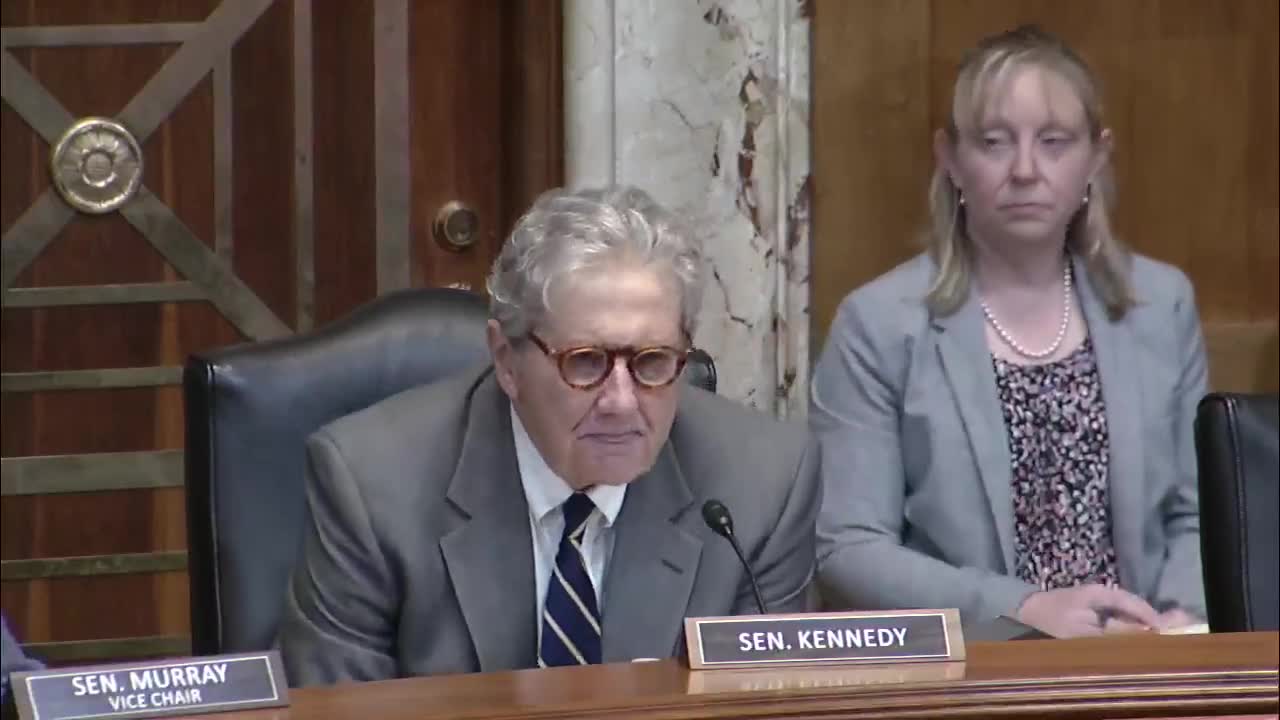
Chairman Kennedy likewise pressed the witnesses on delivery and cost control, saying Congress expects projects “on time, on budget” and noting the Corps’ need to improve estimates and scheduling. “If you did that in the private sector … you would be out of business,” Kennedy told the panel.
Witnesses acknowledged the problems and pledged work to improve delivery. Acting Assistant Secretary D. Lee Forsgren told the panel he would “work to ensure that the Harbour Maintenance Fund is used to the maximum extent it possibly can.” Lieutenant General William H. “Butch” Graham Jr., the 56th Chief of Engineers, said the Corps is reorganizing around three priorities—mature engineering, improved project management and assembling the right teams—and that he will “sign no chief’s report unless the engineering is advanced to the 35% design.” Acting Assistant Secretary Scott Cameron described Reclamation’s work in the West and flagged ongoing coordination on Colorado River agreements with the seven basin states.
Committee members pressed multiple delivery and programmatic issues tied to the budget request: the group raised staff departures at Reclamation; allocations in the president’s spending plan they described as politically steered away from populous, flood-prone states; and the use and timing of trust funds (Harbor Maintenance Trust Fund and Inland Waterways Trust Fund). Murray accused the administration of “politicizing the allocation of funding” and of directing construction dollars away from projects selected in bipartisan Senate and House bills.
The subcommittee heard specific project examples as evidence of the stakes: senators repeatedly cited the Howard Hanson Dam project in Washington, donor-port funding shortfalls for Seattle and Tacoma under the Harbor Maintenance Trust Fund, and the need to protect navigation and flood infrastructure across inland waterways. Witnesses committed to working with senators and stakeholders to provide technical input, improve cost estimates and advance projects where possible.
No formal votes were taken during the hearing. Several senators said they expect to work on bipartisan appropriations language to restore funding for critical programs and to reject the Trump administration’s proposed cuts.
Looking ahead: senators asked the agencies for additional briefings and for timely written responses on specific program balances, project schedules and staffing needs. The panel left the record open for additional questions and promised follow-up engagement on delivery reforms and trust fund usage.