Get Full Government Meeting Transcripts, Videos, & Alerts Forever!
Prediction and Event Contracts Draw Questions Over Tribal‑Gaming Law; Quintenz Pledges Stakeholder Roundtable
Summary
Senators pressed nominee Brian Quintenz about event/prediction contracts (e.g., those offered by Kalshi), potential conflicts with tribal gaming law, and a canceled public roundtable; Quintenz said he would reschedule stakeholder engagement and follow court mandates on legal disputes.
Senators pressed Brian Quintenz about event and prediction contracts — trading products that hinge on future events — and whether such contracts could violate tribal gaming laws or public‑interest standards in the Commodity Exchange Act.
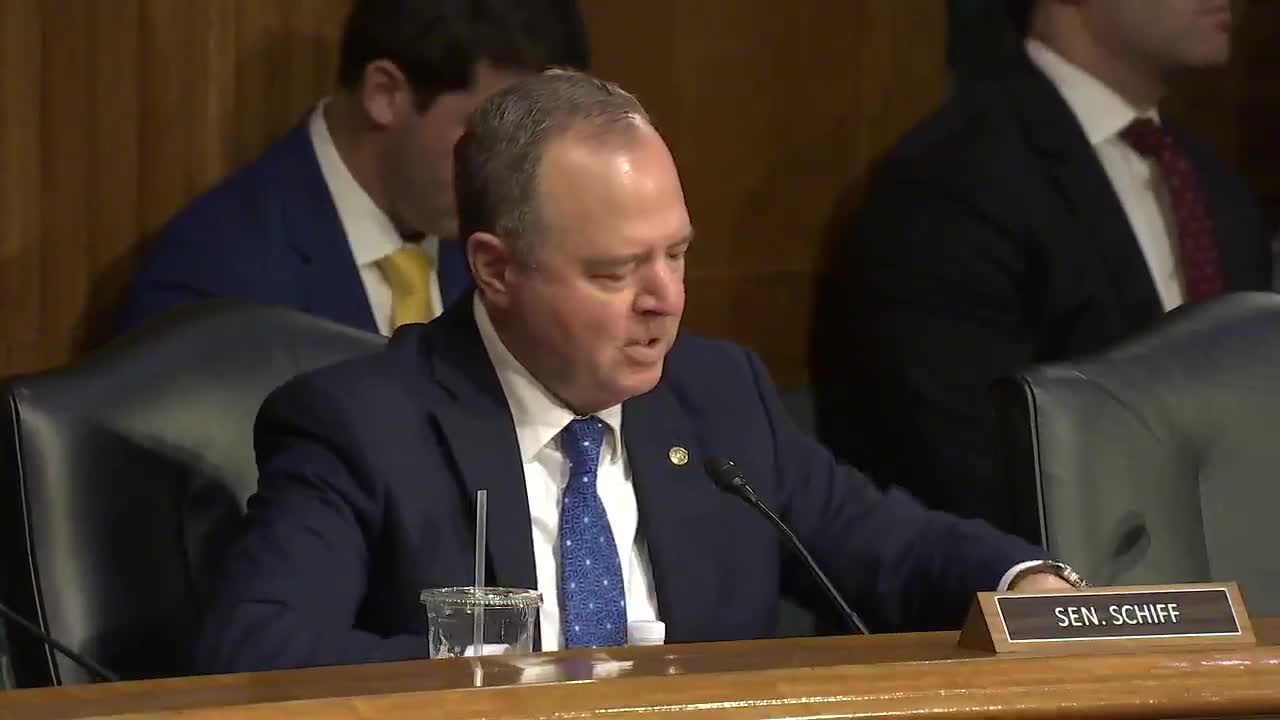
Senator Schiff said event contracts “seem pretty indistinguishable, at least from the consumer point of view, [from] gaming” and raised concerns they could “violate tribal sovereignty” and the Indian Gaming Regulatory Act. Quintenz told the…
Already have an account? Log in
Subscribe to keep reading
Unlock the rest of this article — and every article on Citizen Portal.
- Unlimited articles
- AI-powered breakdowns of topics, speakers, decisions, and budgets
- Instant alerts when your location has a new meeting
- Follow topics and more locations
- 1,000 AI Insights / month, plus AI Chat