Get Full Government Meeting Transcripts, Videos, & Alerts Forever!
Get email alerts on the School Budget topic
No spam. Unsubscribe anytime.
Montgomery County school board approves 2025–26 operating budget after debate over pay compression and school safety
Summary
The Montgomery County Public Schools board approved the 2025–26 operating budget and related pay plan in a 5–2 vote after weeks of debate over salary compression and whether to fund school security officers. Supporters said the package advances staff retention; opponents said it cuts other safety priorities.
The Montgomery County Public Schools Board of Trustees voted 5–2 on May 27 to approve the 2025–26 operating budget and an accompanying pay plan that compresses salary steps and provides raises intended to aid recruitment and retention.
The budget vote followed more than an hour of deliberation in which board members debated a compressed salary scale (reducing the step structure toward a 20-year top) and a request to add school safety officers (SSOs) in some schools. Board members who opposed the budget said the compression was too aggressive to adopt all at once and objected that money originally discussed for SSOs was not included in the final allocation; supporters said pay compression and across‑the‑board raises were necessary to retain staff and address vacancies.
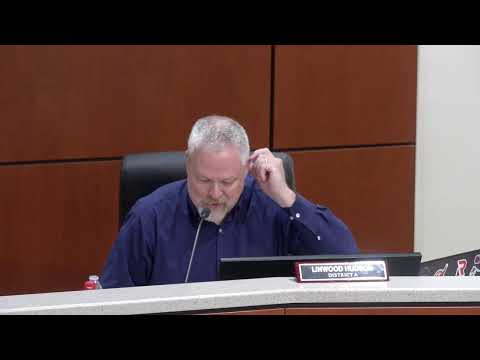
The board approved the operating budget and pay plan with five votes in favor and two opposed. The roll call on the motion recorded No votes from Miss Vaughn and Miss Parton and Yes votes from Miss Franklin, Miss Cherry, Miss Purcell, Doctor Rountree and Chair Hudson (recorded in roll call sequence). Angie Bland, director of finance, presented the budget and responded to questions from trustees and staff during the meeting.
Supporters repeatedly tied compensation changes to staffing stability. One trustee framed the budget’s central aim as ‘‘supporting student achievement’’ by retaining teachers and other employees; another said the compressed scales and a 3% raise for employees would help recruitment and retention. Opponents said the chosen level of compression—moving more steps into a shorter span—could have long-term fiscal consequences and argued the district should phase such changes over a longer period.
The SSOs request, championed by several trustees earlier in the deliberations, drew particular attention. Some board members said they had asked the Board of Supervisors for targeted funds to place SSOs in specific schools and were disappointed that the budget as approved did not include set-aside funding for those officers. Other trustees said public safety is primarily a municipal or county responsibility and urged the district to pursue partnerships with local law‑enforcement agencies or a legislative fix to allow retired officers to serve in SRO roles while remaining in law enforcement payrolls.
Board members also discussed targeted pay adjustments for critical positions such as speech‑language pathologists and psychologists; those were reflected in the pay plan that the board approved. Trustees asked administration to return with follow-up proposals for other licensed professionals (including occupational and physical therapists and nurses) so the board could evaluate parity and recruitment effects.
The budget package includes a compressed pay scale, a minimum wage increase for district employees, and classified and certified salary adjustments the board said are intended to reduce turnover. Administration reported that targeted raises and earlier actions appear to be increasing applicant interest for hard-to-fill positions such as speech‑language pathologists.
The board’s vote concludes the district’s budget process for 2025–26 and authorizes the superintendent and finance staff to implement the plan. Trustees asked administration to provide additional briefings on the budget’s implementation, progress on recruitment and retention, and options for addressing the district’s outstanding safety concerns.
Looking ahead, trustees directed staff to return to the board with more detailed comparisons of pay for medical and therapy positions, updated recruiting metrics, and proposals for alternative approaches to school security that preserve staff responsibilities while seeking municipal law‑enforcement partnerships.