Get Full Government Meeting Transcripts, Videos, & Alerts Forever!
Get email alerts on the Labor Captive Audience topic
No spam. Unsubscribe anytime.
Senate committee advances bill barring mandatory "captive audience" employer meetings amid preemption dispute
Summary
The Senate Budget and Appropriations Committee voted to release S3302/A4429, a bill that would bar employers from requiring employees to attend meetings about political matters — including labor organization issues — after extended testimony about First Amendment and federal preemption risks.
The Senate Budget and Appropriations Committee on June 9 voted to release S3302/A4429, legislation that would prohibit employers from forcing employees to attend meetings addressing political matters, including union organizing, and would bar retaliation if an employee declines to attend.
Supporters said the bill targets the mandatory nature of so-called "captive audience" meetings, not employers' ability to express views. Eric Richard, speaking for the New Jersey State AFL-CIO, told the committee: "The bill focuses only on the mandatory nature of these types of meetings." He added that the measure protects employees from reprisal for choosing not to attend.
The bill drew sharp legal pushback from business and contractor representatives, who argued federal labor law and Supreme Court precedent create a preemption barrier. Eric Dejesro, representing the New Jersey Independent Electrical Contractors Association, cited the National Labor Relations Act and recent case law and urged the committee to reject the bill. "We urge you to vote no," Dejesro said, warning the measure likely will be litigated.
Why it matters: supporters say the measure restores employee choice and prevents coercion; opponents say federal law and the National Labor Relations Board (NLRB) precedent — including recent shifts in NLRB guidance — create a substantial risk that a state statute would be preempted or immediately challenged in federal court.
In the hearing, witnesses and lawmakers discussed legal specifics: proponents pointed to NLRB general counsel memoranda criticizing compulsory captive-audience practices; opponents cited section 8(c) of the National Labor Relations Act and the Supreme Court's emphasis on federal preemption in labor disputes, referencing Glacier Northwest v. Teamsters. Committee members pressed both sides on whether the bill merely regulates conduct (the mandatory attendance) or improperly intrudes into a federally governed field.
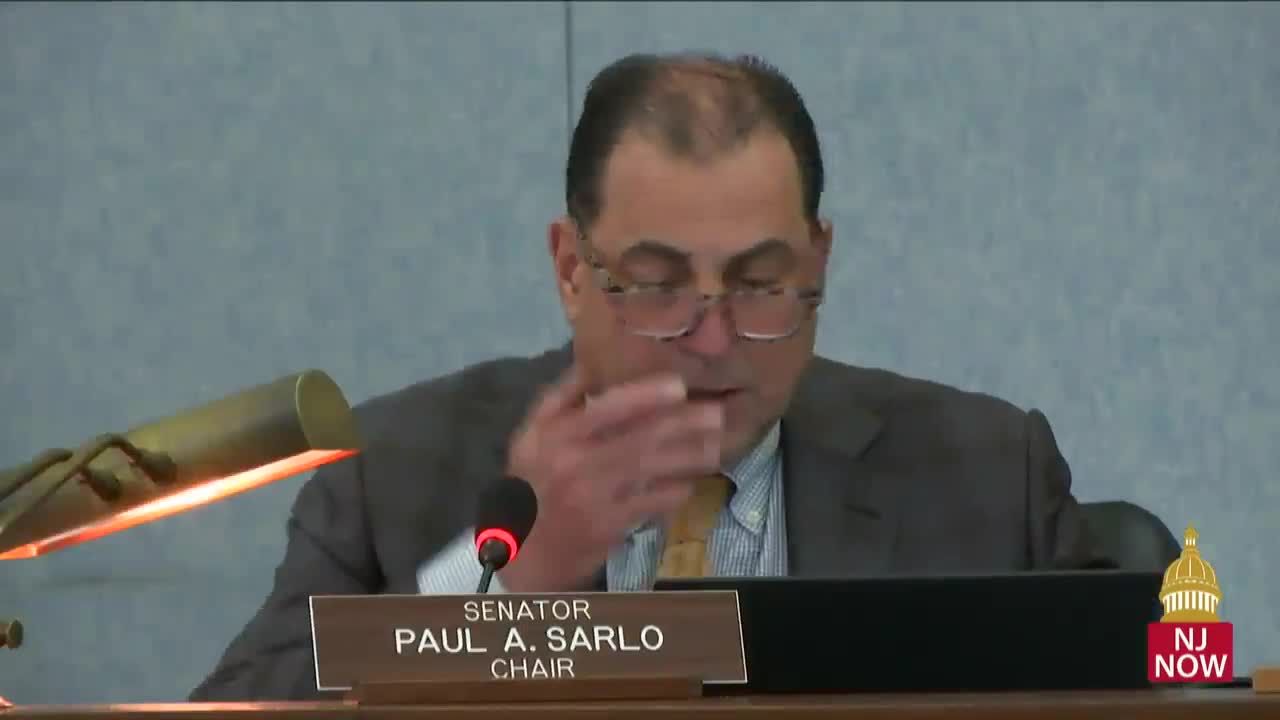
Chair Sarlo closed the testimony by asking members to "vote your conscience"; Senators then moved and seconded the release. The committee recorded that S3302 and A4429 were favorably released with committee amendments.
Discussion vs. decision: the committee's action was to release the bills out of committee with committee amendments for further consideration by the full Senate; it did not enact the statute. Supporters emphasized employee protections; opponents emphasized preemption and constitutional risk and asked for legal counsel opinions on the interplay with federal law.
Implementation risks and next steps: witnesses and senators repeatedly said the provision is likely to face legal challenges if enacted. The committee did not adopt substantive changes resolving the preemption question; the bill advances to the floor for further debate.