Get Full Government Meeting Transcripts, Videos, & Alerts Forever!
Get email alerts on the Class Reunion topic
No spam. Unsubscribe anytime.
Chelsea High Class of 1975 marks 50th reunion; alumni recall Carter School fire and lifelong ties
Summary
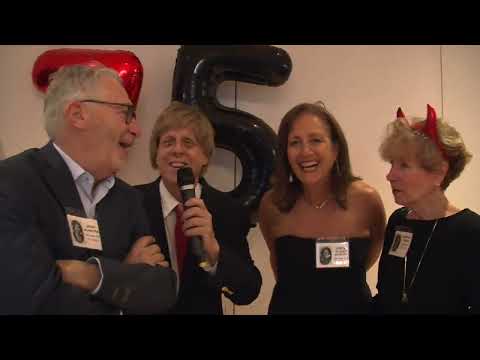
Alumni of Chelsea High School’s Class of 1975 gathered for a fiftieth‑reunion event broadcast on Chelsea Community Cable, recalling the 1971 Carter School fire that helped shape their class and sharing memories of sports, teachers and multigenerational ties to Chelsea.
Members of Chelsea High School’s Class of 1975 gathered at a fiftieth‑reunion event broadcast on Chelsea Community Cable to reconnect, remember classmates who have died and recall formative events that reshaped their school years.
Robin Glazer Milbury, a member of the reunion committee, said the planners “have put together a great committee, a great event,” and that “people have come in from around the country and wanna celebrate all things Chelsea.”
The reunion highlighted several pieces of shared history that alumni said mattered to their generation. “The Carter School burnt down in March of ’71,” Glazer Milbury said, an event she and other alumni described as the reason the class became “the first four‑year class in the high school.” Attendees described a deep, multigenerational connection to Chelsea and frequent return visits to the city.
Barbara Gross, who flew in from California and served on the reunion committee, said, “The bonds are incredible,” describing classmates’ relationships as enduring despite time and distance. Several alumni described long careers and travel since graduation — Robert Hart said he flew in from Beverly Hills for the event — while others emphasized Chelsea institutions such as the YMHA, local Little League and neighborhood schools as formative.
Former athletes recounted team achievements from the 1970s. Bobby Spinney, a member of the 1975 baseball team, recalled the season and fans at games: “We had probably 2, 3000 fans every game.” Several attendees named coaches and teammates and described shared traditions such as after‑game gatherings and Saturday leagues.
Organizers assembled memorial displays and logistics for the night. Glazer Milbury pointed to a memory table for classmates who have died and to tables holding past reunion materials and yearbooks; organizers also ran a raffle to benefit a Chelsea club and arranged a DJ set by George Athas. She noted the planning committee met weekly by Zoom ahead of the event.
The reunion closed with organizers thanking committee members and encouraging classmates to keep in touch. “We’ll see you in 5 years,” Glazer Milbury said when discussing future gatherings.
Less newsworthy details included individual recollections of elementary schools and neighborhoods, personal travel and family updates; those memories dominated the interviews and underscored the event’s social purpose rather than public policy or formal decisions.