Get Full Government Meeting Transcripts, Videos, & Alerts Forever!
Get email alerts on the Capital Improvement Plan topic
No spam. Unsubscribe anytime.
Poquoson staff outline updated five-year capital improvement plan; several school projects moved earlier
Summary
School staff presented a revised five-year Capital Improvement Plan that moves several projects forward and adds new items including fire-alarm upgrades, intercoms, digitizing records and court and field renovations; final CIP approval is scheduled for June and the city will prioritize funding in the fall.
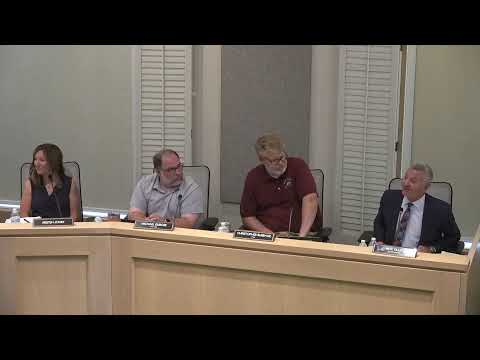
School staff presented a recalibrated five-year capital improvement plan to the Poquoson City Public Schools board on May 20, reporting multiple projects have been moved earlier in response to rising costs and emerging needs.
The presentation, led by a Tracy (staff member) and Andrew (staff member), identified new entries on the CIP and several schedule changes: fire-alarm work at Poquoson High School set for fiscal 2027, intercom/PA upgrades at Poquoson Primary and Poquoson Elementary in fiscal 2028, digitizing student records at the high school in fiscal 2028, and an indoor batting and athletic training facility listed at later years. The presentation also moved the high school tennis-court replacement up three years and accelerated Bradshaw Field renovation and other projects.
The revision matters because the city now requires an approved CIP earlier in the fiscal cycle and construction-market inflation has increased many price tags. "The target keeps moving, in this economy," Tracy said, adding staff applied a 5% contingency and compounded an annual escalation rate when preparing estimates. Board members pressed on the escalation figure and said construction costs in the market appear higher than the rate used.
Most projects remain planning-level estimates and will be subject to the city’s review and final funding decisions in the fall. Staff said the CIP lanes reflect where the division believes projects are needed; once the city completes its prioritization the schedule or funding could change. "That may not necessarily be where they land once they go over to the city and actually get approved for funding," Tracy said.
Board members discussed phasing large projects to spread costs but staff cautioned phasing can lengthen timelines and, in some cases, raise costs. On Bradshaw Field, staff described the site as a package that includes seating, pressbox and related work and said phasing is possible but could extend the construction period and affect program use while work is underway. "Any project, you can phase out. That is an option," Andrew said, noting some city-led projects (HVAC, roofs) are typically bid as single, financed contracts.
Staff also reviewed projects currently underway or about to start over the summer, including exterior painting and gym floor work at the primary school, roof and courtyard work at the middle school, high‑school roof and HVAC replacement activity, divisionwide phone-system replacement, weapon-detection equipment associated with a safety grant, and interior door badge readers.
Next steps: staff will finalize inflationary assumptions and updated quotes and return the CIP for board approval in June so the district can meet the city’s earlier submittal deadline. The city then will prioritize projects across departments and present its proposed capital allocations to council in the fall. No formal board vote was taken on the CIP during the work session.
Board members and staff agreed to revisit phasing and prioritization ahead of the June approval and to bring any updated cost quotes or phasing analyses back to the board for consideration.