Michigan agency warns hazardous-waste program faces shortfall without fee changes
Summary
Officials from the Michigan Department of Environment, Great Lakes and Energy (EGLE) told a House appropriations subcommittee that declines in fee and federal grant revenue threaten the state's federally delegated hazardous-waste regulatory program and that a proposed user-fee increase would fund more inspections and staff.
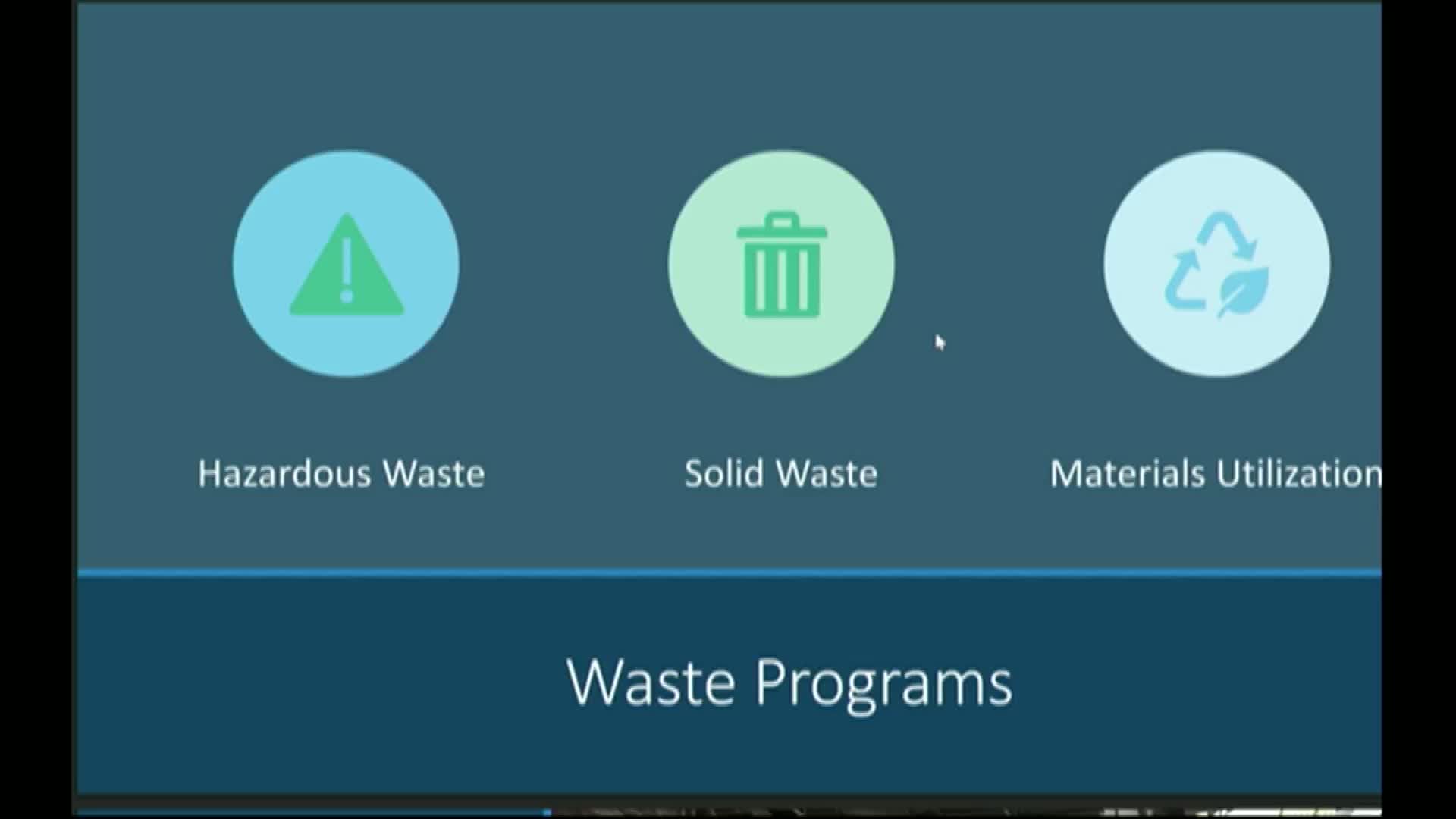
Tracy Cascametti, acting director of the Materials Management Division at the Michigan Department of Environment, Great Lakes and Energy, told the House Appropriations Subcommittee on Environment, Great Lakes and Energy on Oct. 11 that the division's hazardous-waste program is supported roughly half by generator and disposal fees and roughly half by a U.S. Environmental Protection Agency grant.
Cascametti said the division's hazardous-waste program helps regulate more than 20,000 facilities that generate hazardous waste and licenses 14 active treatment, storage and disposal facilities in Michigan. "Materials Management Division is 154 full time employees," she said, describing the staff who inspect facilities, review permits and manage grants.
The program is federally delegated under the Resource Conservation and Recovery Act, Cascametti said, and requires regular inspections, permitting and environmental monitoring. She noted the program inspects large treatment, storage and disposal facilities at least quarterly and described the work as "incredibly resource intensive." Cascametti also said user fees for the program will sunset Oct. 1 and that fee revenue has been trending down because the fee base depends on waste volumes.
Travis Boleskull, deputy director at EGLE, told the subcommittee the division proposed increasing hazardous-waste user fees to stabilize funding. The executive budget request under consideration would roughly double fees that have not been updated in many years and, according to EGLE, would generate about $5 million for the program and fund additional staff. Boleskull said the request was intended to improve inspection frequency and permitting outcomes.
"If the EPA grant ... does not come through next year ... we won't be able to make payroll," Boleskull said, characterizing the consequences if federal grant funding were lost.
Committee members and EGLE staff discussed inspection coverage. EGLE said the agency inspects the largest generators every five years per EPA guidance, aims to inspect smaller facilities more often but lacks resources, and currently reaches very small generators only on complaint. EGLE representatives told the subcommittee that many compliance risks come from smaller, less-sophisticated businesses and that increased fees would allow more inspections of those facilities.
EGLE framed the proposed fee changes as necessary to preserve Michigan's ability to run the federally delegated program rather than surrender it to EPA. The agency said it prefers the state to continue running inspections and technical assistance locally.
No formal committee action was taken on the fee proposal during the hearing; EGLE presented the budget and fielded questions.
Ending: EGLE officials urged the subcommittee to consider changes that would stabilize the hazardous-waste program's funding to maintain inspections, permitting and long-term program continuity.