Get Full Government Meeting Transcripts, Videos, & Alerts Forever!
Get email alerts on the Capitol Restoration topic
No spam. Unsubscribe anytime.
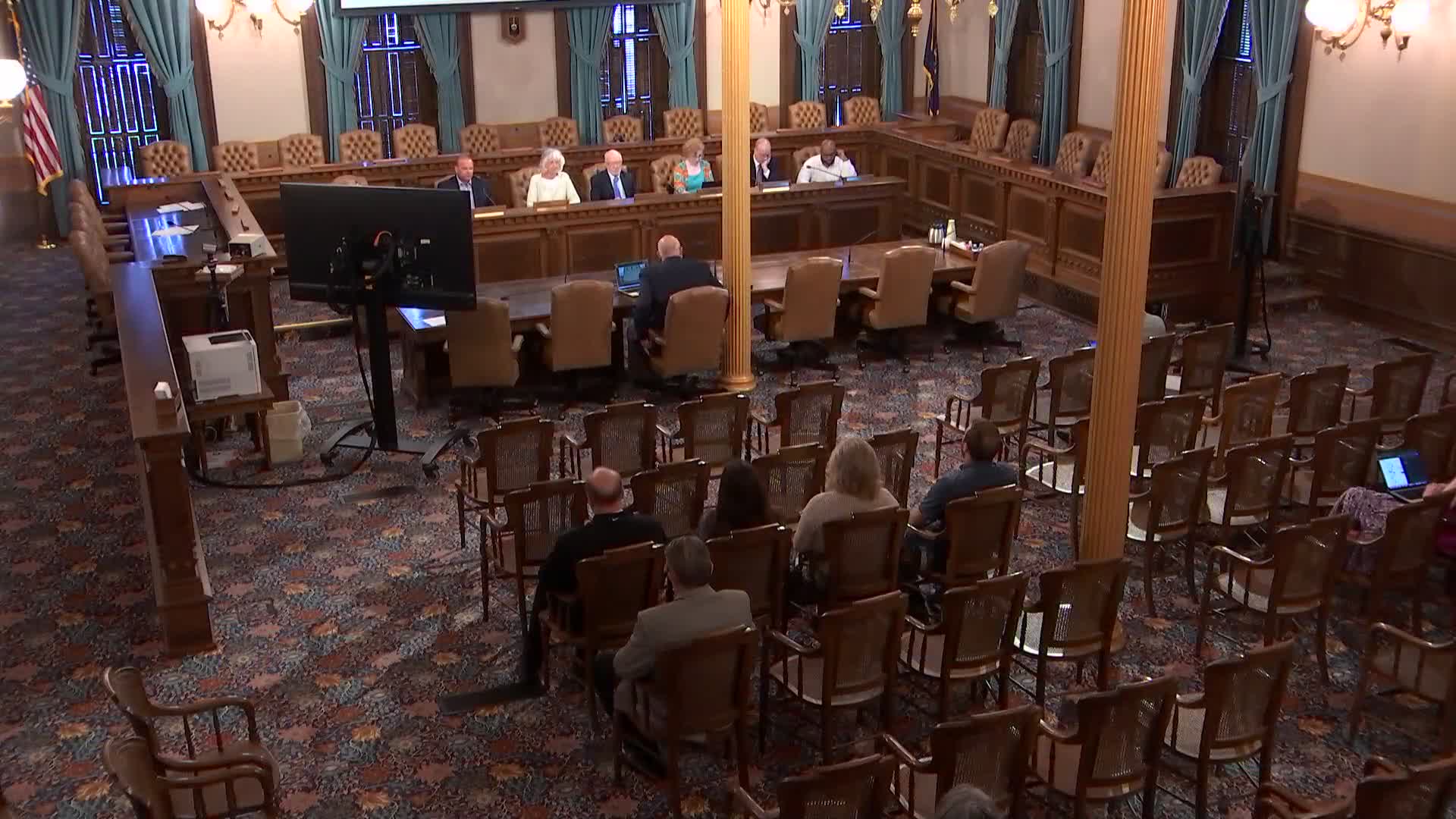
Michigan State Capitol Commission hears progress report on Fourth Floor restoration, glass floor and dome inspections
Summary
The Michigan State Capitol Commission received a multi-part update on ongoing restoration work including Fourth Floor decorative painting and plaster repairs, glass floor replacement, drone inspections of the exterior dome and a study of photovoltaic skylights.
The Michigan State Capitol Commission on June 9 received an update on multiple restoration projects at the Capitol, including decorative painting and plaster repairs on the Fourth Floor, the phased replacement of the glass floor in the rotunda, drone-based inspections of the exterior dome and a study of photovoltaic skylights.
Why it matters: The capital restoration work affects public access to historic spaces, the preservation of artwork and fabric in the 145‑year‑old building and the state's long‑term energy and maintenance costs.
Rob Blackshaw, the commission’s executive director, told commissioners the Fourth Floor East Side painting work has begun and crews have uncovered long‑standing cracking in plaster arches on the West Side. "Once we did a study even more looks like these cracks are over 30 or 40 years old," Blackshaw said, adding that a structural engineer’s technical analysis is pending and that the current determination is that "no structural integrity needs to be reinforced." He said staff will monitor the cracks and use flexible fillers in the plaster to reduce future cracking.
Blackshaw described work on the rotunda glass floor, which had an initial fit issue caused by variations in 19th‑century cast iron framing. He said the glass contractor, Lucid Glass, re‑scanned the grid and adjusted the perimeter pieces; 20 glass panels are in place and a further 20–30 panels were expected the following week. "By July 4, we'll probably have 50 pieces in place," he said, and the project remains forecast to finish by next spring.
The commission also heard about a recent high‑definition drone inspection of the exterior dome. Blackshaw said the drone footage allows architects and construction managers to assess paint delamination and loose metal without erecting full scaffolding, enabling a more targeted, cost‑efficient approach.
On energy upgrades, Blackshaw said engineers are studying voltaic skylights—glass panels with embedded microcells—as a potential retrofit for skylights above the chamber. He said the consultant Loring Engineers estimates such panels could reduce electrical draw "30 to 40% off the electrical grid," though he added the analysis of aesthetic impact and energy yield is still under way.
Blackshaw also noted waterproofing work and HVAC piping insulation to prevent ongoing moisture and glycol contamination that had caused delamination of plaster and paint in some ceiling areas; crews are removing and replacing ceiling materials in the West Side lobby to address the damage.
Commissioners asked questions about skylights and light control for painted surfaces; Blackshaw noted computerized interior light panels installed during a prior infrastructure project now limit direct UV exposure to painted surfaces. He said he will bring photos and more detailed findings, including the structural engineer’s report on the arches, to a future meeting.
The commission did not take formal action on these project updates at the meeting; the items were presented as progress reports and studies.
Less‑critical details: Blackshaw said decorative stenciling begun decades ago in committee rooms will be completed this summer by the selected decorative painting contractor, Evergreen, which staff described as nationally known. He also said drone video will be used to create a micro‑assessment plan for dome maintenance rather than full scaffolding.