Get Full Government Meeting Transcripts, Videos, & Alerts Forever!
Get email alerts on the Wrs Performance topic
No spam. Unsubscribe anytime.
Wyoming Retirement System credits governance changes for multi‑year outperformance
Summary
Wyoming Retirement System leaders told the legislature’s capital finance committee that hiring in‑house investment professionals and improving governance and compensation produced top‑quartile multi‑year returns compared with peers.
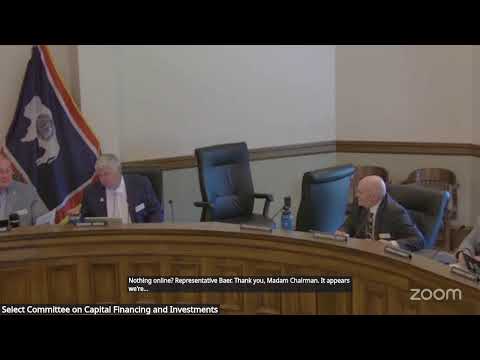
CHEYENNE — Leaders of the Wyoming Retirement System told the Select Committee on Capital Financing & Investments that changes in governance and professional staffing produced material improvements in the system’s returns over the past decade.
David Swindell, executive director of the Wyoming Retirement System, said the system is managed as a single purpose fund for the exclusive benefit of members and that the Wyoming Retirement Board — including the elected state treasurer and nine appointed members — has exclusive fiduciary authority. The board, Swindell said, established an investment policy statement and an investment committee that oversees the fund’s posture.
Swindell described the board’s move in the 2010s to hire investment professionals and to add performance compensation as a turning point. He outlined a multi‑year improvement in results: a 10‑year period in which returns improved to top quartile for peers and a five‑year average return of 8.77% versus a median peer return of 6.93% over the same timeframe, figures the WRS presented to the committee. Swindell said the difference translated to roughly $963 million of excess returns (alpha) on an average balance of about $10.4 billion over that period.
Structure and authority: Swindell emphasized that the board has sole authority and delegates operational responsibility to the executive director and staff. The system uses an independent investment consultant and requires investment committee members to include individuals with institutional investment experience, he said. Investment manager hires are negotiated by staff and approved under the board’s delegated authority; the board retains oversight and veto power.
Proxy voting and operations: The system told the committee it is modifying its investment policy statement to incorporate the proxy‑voting constraints in Senate File 191 and that it has issued a request for proposals for a proxy‑voting service; that RFP closes June 27 and the system expects a vendor in place by September 1 to provide voting records and compliance support.
Why it matters: Swindell told legislators the improvements show how governance, staffing and appropriate compensation can materially affect public pension performance and that the system’s structure is intended to protect member benefits and to produce durable long‑term returns.
Ending: The committee heard no objections and asked staff to include WRS reporting on proxy‑voting and on the performance comparisons presented by the system.