Get Full Government Meeting Transcripts, Videos, & Alerts Forever!
Get email alerts on the Personalized Firearms topic
No spam. Unsubscribe anytime.
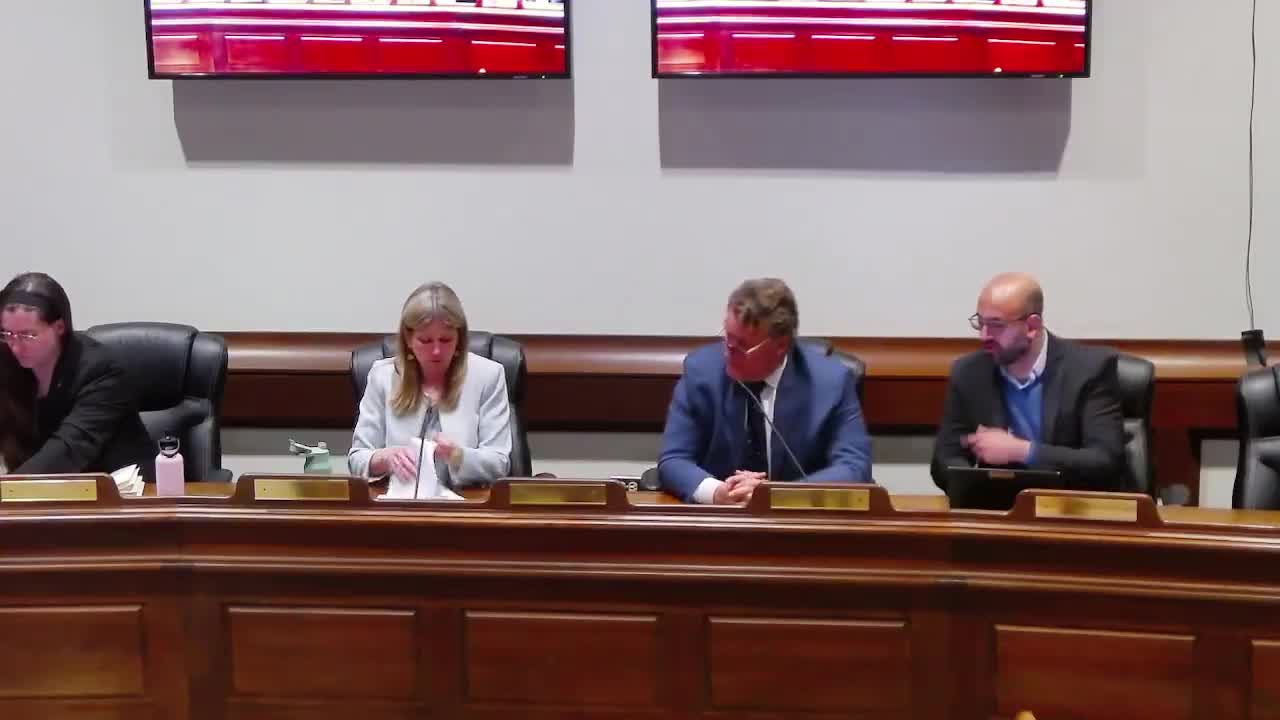
Commission considers temporary sales‑tax exemption to encourage adoption of personalized 'smart' handguns
Summary
The commission discussed tax incentives to spur purchase of personalized firearms, citing potential safety benefits for children and accidental discharges, while legislators raised concerns about cost, privacy, ownership transfers and whether incentives would increase overall gun counts.
State Representative Kate (co‑chair) and Senator Michael Moore (co‑chair) told the Special Commission on Emerging Firearm Technology that the commission is considering recommending a temporary sales‑tax exemption to encourage purchase of personalized or "smart" handguns if the technology proves viable.
Commissioners described personalized firearms as weapons that incorporate technology to allow firing only by an authorized user and to prevent easy deactivation of those safety features. The commission heard testimony from industry representatives and researchers about currently available products, and noted that, at the time of the meeting, two U.S. companies were known to manufacture personalized handguns: BioFire and Lomma (referred to as Loadstar in testimony), and that one venture‑backed start‑up had unveiled a 9 mm personalized handgun in April 2023 and had been placed on the Commonwealth’s approved roster by the Massachusetts Firearm Control Advisory Board.
Co‑chairs outlined features and limitations reported to the commission: a personalized firearm’s battery can last up to about a month between charges and sends owner alerts before depletion; manufacturers said they do not retain biometric data and that data is wiped on transfer of ownership; if an owner dies and has not designated trusted users, the firearm may become unusable. Members cited testimony that manufacturing personalized firearms costs about four times as much as a conventional firearm, a factor that could limit uptake.
Supporters at the meeting said incentives could nudge buyers toward safer options, potentially reducing accidental discharges and unauthorized use by children; several commissioners likened incentives to measures used to promote electric vehicles rather than mandates. Senator Peter Durant urged incentives such as a sales‑tax exemption and called for caution about mandating adoption. Senator King and others said they were hesitant to subsidize gun purchases and worried incentives could increase total gun ownership unless tied to trade‑in or buyback programs. Senator King also said there is no conclusive data that personalized firearms would reduce suicide by firearm because many suicides involve firearms not necessarily owned by the decedent.
Privacy and testing issues were also raised. Commissioners asked how forensic or crime‑lab personnel would test or access a personalized firearm recovered in an investigation if only the owner can fire it; the commission agreed that technical testing protocols should be included in the feasibility review. The co‑chairs proposed that any sales‑tax exemption be time‑limited so the Legislature could later evaluate who used the exemption and whether the policy had the intended effects.
Ending: Co‑chairs said staff will draft report language describing a temporary sales‑tax exemption as a possible incentive, document outstanding issues (cost, transfer procedures, lab testing and data privacy) and circulate the draft for commissioner comment before a final vote.