Get Full Government Meeting Transcripts, Videos, & Alerts Forever!
Get email alerts on the Housing topic
No spam. Unsubscribe anytime.
Residents press council on housing: preserve NOAH, protect tenants in landlord tax-relief debate
Summary
A series of public comments and a council order prompted discussion about preserving naturally occurring affordable housing, possible tax relief for landlords, tenant protections and enforcement including income targeting and unit standards.
WORCESTER, Mass. — A wave of public comment, advocacy testimony and a council order pushed housing — particularly naturally occurring affordable housing and a proposed landlord tax-relief program — to the center of Tuesday’s Worcester City Council meeting.
Residents and advocates urged the council to attach tenant protections and strong eligibility rules to any landlord subsidy. Anne Buro of the Worcester Affordable Housing Coalition told the council preservation of naturally occurring affordable housing, or NOAH, is “critical” but said any program should include guardrails, require units to be code-compliant and prioritize households below 60% of area median income.
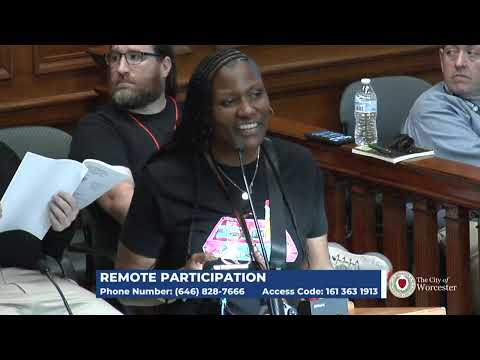
Several speakers described long waits for subsidized housing, difficulty placing voucher holders, and the limits of incentives that are too weak or aimed at higher income bands. Echo Collins, a former staff member placing emergency housing vouchers, said landlord incentives during the pandemic helped place families when paired with landlord outreach. “Those incentives not only help landlords who are concerned about not being paid, but it does give them opportunities to invest in other ways in their properties,” she said.
Council members asked administration staff to return a feasibility report for a program that would allow municipalities to offer tax relief to landlords in exchange for units kept affordable. The council also asked that the report include: the likely fiscal impact to the city’s overlay and budget; how the program would identify eligible owners; and mechanisms to enforce deed restrictions or other affordability commitments.
Speakers and councilors repeatedly urged targeting: multiple commenters recommended focusing benefits on small owner‑occupant landlords or units rented to households at 60% of AMI or below. Several urged the council to tie incentives to unit quality, registration in a rental registry, and long-term affordability commitments. Jonathan Morales of Homes for All Massachusetts and the Worcester Affordable Housing Coalition asked the council to ensure any public subsidy “comes with strong guardrails to protect tenants and prioritize equity.”
The council requested a report that lays out options, modeled costs, and recommended eligibility and enforcement mechanisms so councilors can consider whether and how to proceed. The request asks the assessor’s office, economic development and the city solicitor to collaborate on the analysis and to provide examples of how other cities structure similar landlord incentive programs.
Next steps: City staff will produce a report for the council’s finance and housing committees with cost estimates, recommended eligibility criteria, and proposed enforcement and tracking mechanisms.