Get Full Government Meeting Transcripts, Videos, & Alerts Forever!
Members press Treasury on IRS modernization cuts and data sharing with 'Doge' amid privacy concerns
Summary
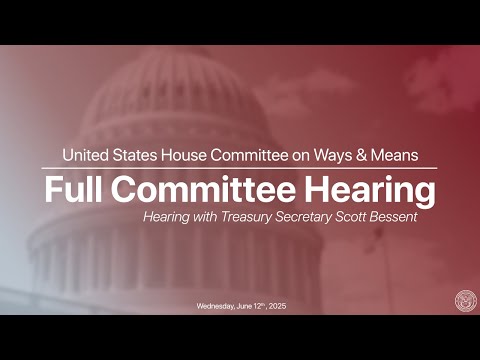
House members pressed Treasury Secretary Scott Bessent about IRS modernization, staffing and whether taxpayer information is being provided to a consolidated interagency database during a Ways and Means hearing that emphasized confidentiality under Internal Revenue Code §6103.
Members of the House Ways and Means Committee used the hearing with Treasury Secretary Scott Bessent to press detailed questions on IRS modernization, staffing changes, and whether confidential taxpayer information has been shared with an interagency data consolidation project described in the hearing as "Doge." Several members said public oversight and statutory protections require full transparency and congressional briefings.
Representative Suzan DelBene repeatedly asked whether Treasury supports a consolidated database that would combine sensitive…
Already have an account? Log in
Subscribe to keep reading
Unlock the rest of this article — and every article on Citizen Portal.
- Unlimited articles
- AI-powered breakdowns of topics, speakers, decisions, and budgets
- Instant alerts when your location has a new meeting
- Follow topics and more locations
- 1,000 AI Insights / month, plus AI Chat