Get Full Government Meeting Transcripts, Videos, & Alerts Forever!
Treasury says tariffs and talks are rebalancing trade; lawmakers press for enforceable China deal details
Summary
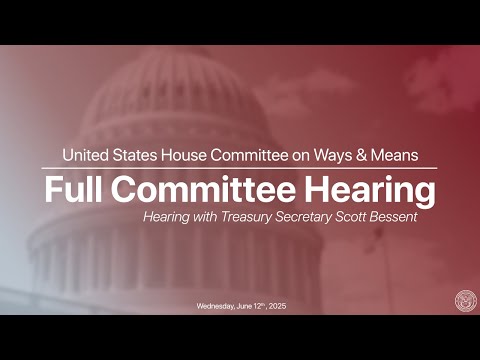
Treasury Secretary Scott Bessent told the House Ways and Means Committee he returned from London after talks with Chinese officials and described a framework for rebalancing trade. Members asked for more detail on enforcement mechanisms, timetables and whether tariff policies would be rolled back only when partners deliver binding commitments.
United States Secretary of the Treasury Scott Bessent told the House Ways and Means Committee he had returned from talks in London and described ongoing, high‑level negotiations with China and other trading partners aimed at rebalancing long‑standing trade deficits.
Bessent said the administration has opened talks with "18 important trading partners" and that recent discussions in London were geared toward a ‘‘longer process’’ to stabilize economic relations with China. He told the panel that the United States is insisting on structural reforms and fairer market access as…
Already have an account? Log in
Subscribe to keep reading
Unlock the rest of this article — and every article on Citizen Portal.
- Unlimited articles
- AI-powered breakdowns of topics, speakers, decisions, and budgets
- Instant alerts when your location has a new meeting
- Follow topics and more locations
- 1,000 AI Insights / month, plus AI Chat