Get Full Government Meeting Transcripts, Videos, & Alerts Forever!
Get email alerts on the Fentanyl Response topic
No spam. Unsubscribe anytime.
Spokane speakers urge coordinated action on fentanyl at Gabriel’s Challenge closing
Summary
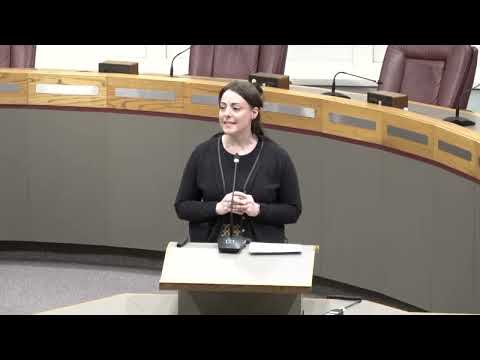
At a closing event in Spokane Council Chambers, city leaders, health officials, a municipal judge, treatment providers and people with lived experience outlined local resources, harm-reduction efforts and calls for a shared, sustained response to fentanyl overdoses.
Council President Betsy Wilkerson closed Gabriel’s Challenge, a multiweek community series on fentanyl, at Spokane Council Chambers, saying, “This is not the end,” and urging participants to share what they learned with neighbors and continue working together.
The meeting brought presentations from Coordinated Care (a Washington Medicaid health plan), Spokane Regional Health District, municipal court, treatment providers and people with lived experience. Speakers described harm-reduction distribution, treatment capacity, data tools and criminal-justice diversion programs and called for a formal summit and sustained collaboration.
Beth Johnson, chief executive officer of Coordinated Care, said the organization serves members statewide and is committed to local work. Katie Ramos, a licensed mental health clinician and behavioral health contracting manager with Coordinated Care, described the plan’s “no referral” approach for outpatient behavioral health and highlighted specialized programs, including a proactive 0 Overdose program and Start Smart for Your Baby prenatal/postpartum services. “Recovery isn’t something that happens in isolation,” Ramos said, noting care navigation, peer supports and that medications and many treatments are available at low or no cost for members.
Dr. Francisco Velasquez, Spokane County health officer, outlined the county’s fentanyl run table, an opioid dashboard with EMS and emergency-department indicators, and a “spike alert” response that triggers outreach and mitigation when overdoses rise. He described Narcan distribution to libraries and other community sites, planned staff training for YMCA employees and ongoing street outreach. Velasquez said the county’s treatment services accept adults 18 and older and that payment options include private pay, Medicaid and veterans’ benefits.
Municipal Court Judge Gloria Ochoa Brook described how the justice system is seeking alternatives to jail for people with substance use disorders. Brook summarized a quasi-voluntary program at Geiger run by Pioneer Human Services that accepts defendants sentenced to 180 days or more if the court authorizes participation. Brook said the court’s role is primarily post-conviction supervision and that she tries “to exhaust every effort” to connect people with treatment and community supports, while balancing public safety.
Tony Lodge, executive director of Native Project, framed addiction as a societal and economic issue and urged elevating treatment so it is not an afterthought. Lodge noted long-term community and international involvement with indigenous health and argued for reducing stigma and investing in higher-quality, comprehensive treatment settings and workforce development.
People with lived experience described long recovery journeys and the role of sustained, long-term residential programs. Avery Jones, outreach coordinator at Adult & Teen Challenge, said the program’s year-long residential model provided accountability and time for healing and reported a 79 percent success rate for participants who complete the year-long program. Another speaker, identified as Gerardo, said longer, uninterrupted treatment allowed him to address underlying issues and rebuild family relationships.
Andrew Hill, executive director of Excelsior Wellness, closed with a call for deeper collaboration and shared risk among community organizations. Hill proposed a summit to convert the series’ lessons into sustained, shared commitments and joint action plans, emphasizing that “hope only exists when we are near” and urging shared leadership and accountability.
Speakers repeatedly urged normalizing access to Narcan and broadening entry points to care. Wilkerson and others asked attendees to leave contact information for follow-up and potential next steps, including a summit to coordinate youth prevention, post-system care and harm reduction across providers and agencies.
The event stressed that many pieces exist already — data, treatment options, community providers and advocacy — but speakers said better coordination, shared funding strategies and ongoing cross-sector collaboration are needed to reduce overdoses and improve outcomes for people who use drugs and their families.
Ending: Organizers said Gabriel’s Challenge was concluding but framed the gathering as a start, not a finish; they asked community members and agencies to stay engaged, share resources and consider a follow-up summit to turn discussion into sustained action.