Get Full Government Meeting Transcripts, Videos, & Alerts Forever!
Get email alerts on the Horticulture Gardens topic
No spam. Unsubscribe anytime.
Reinhardt Peony Garden in Missoula adds new bed and sign; volunteers invited
Summary
Volunteers and founding members described new plantings, a recently produced sign and the garden’s collection—252 plants across eight beds—during a public garden tour; committee invited the public to help with maintenance.
The Reinhardt Peony Garden Committee in Missoula unveiled a new garden bed and a freshly printed sign and invited volunteers to a work session at 5 p.m. the following day, members said during a tour and talk at the garden.
The announcement matters to neighbors and visitors because the garden now lists 252 peony plants representing about 226 named varieties across eight beds, committee members said, and the group is actively recruiting volunteers to help with maintenance and interpretive work.
An unidentified presenter, a member of the Reinhardt Peony Garden Committee, opened the tour and overview and told visitors, “you’re invited to to come and help do everything the garden needs.” The presenter described a new mounted sign recently picked up from AlphaGraphics and said it will receive additional treatments before installation for public viewing.
Committee members and friends led a guided walk through beds labeled A through G, describing plant types and histories. The presenter said the collection includes about 209 herbaceous peonies and several tree and Itoh (intersectional) types; they noted three labeled specimens of a cultivar listed on the signs as “Mrs. F.D. Roosevelt.”
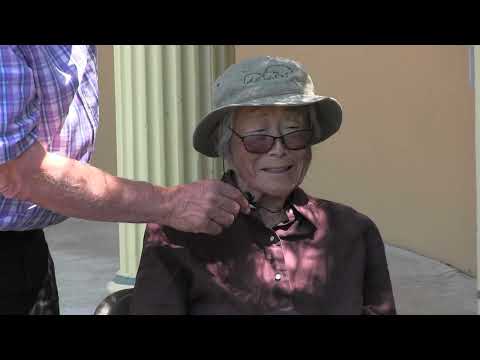
Chinwan Reinhardt, identified in the talk as the inspiration for the committee’s name and an early gardener whose plants helped start the collection, described how she transported peony roots to Missoula: “I brought home on my lap a bag of peony roots from Ann Arbor, Michigan,” she said, recounting plants she and her late husband Howard cultivated and shared with the garden.
Sue Talbot, a volunteer credited with helping organize the project, said she will focus on fundraising. “You don't want me to work in your garden, but I'll see what I can do to raise money for you,” Talbot said during introductions.
Speakers walked visitors through the garden’s taxonomy signage and bloom forms, explaining Japanese, single, semi-double, anemone and “bomb” forms and pointing out named cultivars such as Coral Charm, Festiva Maxima, Bartzella and Princess Bride. The presenter and other speakers emphasized the educational value of the labels and encouraged guests to use on-site labels and online resources for cultivar details.
The committee also described planting logistics: bed A received new drip irrigation; the newly added bed G brought the total collection to 252 plants; and volunteers plan to deadhead spent blooms and manage crowd routes to protect plants. The presenter said the group expects bloom counts to vary by year and noted that this season’s bloom schedule was running roughly nine days early.
No formal municipal action or funding decision was announced during the tour; the session was a volunteer-led presentation and garden walkthrough rather than a government meeting. The committee repeated an open invitation to visit in person while peak bloom lasts and to return before June for additional viewing and volunteer opportunities.