Get Full Government Meeting Transcripts, Videos, & Alerts Forever!
Get email alerts on the Procurement topic
No spam. Unsubscribe anytime.
House gives Oregon Parks limited procurement flexibility to buy locally
Summary
The House passed Senate Bill 8 38, which exempts the Oregon Parks and Recreation Department from some statewide procurement requirements so parks can procure goods and services locally for operations and maintenance, excluding IT and surplus property.
Lawmakers approved Senate Bill 8 38 to allow the Oregon Parks and Recreation Department (OPRD) limited exemptions from the state—s standard public-contracting code so it can more quickly procure goods and services locally for park operations.
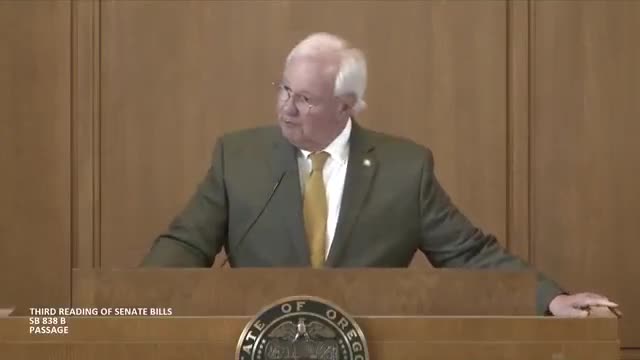
Representative Boyce, carrying the bill, told the House that state parks operate like a local recreation business with unique, frontline needs and that centralized procurement can slow repairs and maintenance for campgrounds and other visitor services. "Senate bill 8 3 8 allows state parks to buy goods and services from businesses in the communities they operate instead of requiring their participation in statewide contracting and procurement processes," Boyce said.
The exemption excludes information-technology purchases and surplus property. Proponents emphasized that local businesses that provide timely services for parks— infrastructure and visitor needs would benefit, and the measure does not include a funding request; it is a statutory procurement change.
Representative Lewis said he had reservations but would vote yes given the distinctive nature of parks operations; Representative Boyce noted the bill had the governor's support. The clerk recorded the roll call and declared the bill passed.
Supporters said the change will help coastal and rural communities that have previously provided essential services to parks, and they urged the agency to retain transparency and accountability while using the expanded flexibility.