Get Full Government Meeting Transcripts, Videos, & Alerts Forever!
Get email alerts on the Medical Liability topic
No spam. Unsubscribe anytime.
Committee advances SB 1173 to exempt health care facilities from strict product‑liability claims in certain cases
Summary
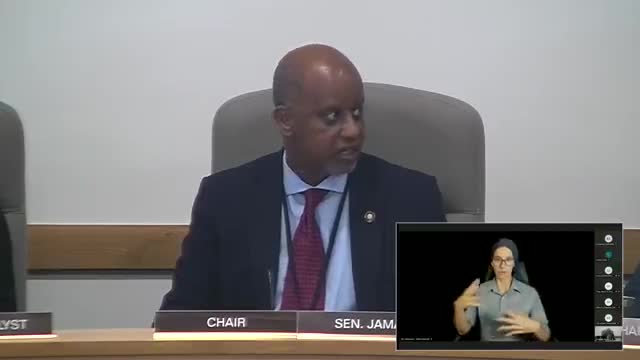
The Senate Committee on Rules voted Wednesday to forward SB 1173 (dash 2), which would exempt hospitals and certain health‑care facilities from strict product‑liability claims for products they did not design or manufacture, while preserving negligence claims and excluding sellers that offer products to the public.
The Senate Committee on Rules on Wednesday forwarded Senate Bill 1173 (dash 2) to the Senate floor with a due‑pass recommendation. The measure clarifies that a health‑care facility is exempt from strict product‑liability claims for a product provided to a patient so long as the facility did not design or manufacture the product; the dash‑2 amendment narrows the exemption and conditions it in several ways.
The amendment clarifies that a health‑care facility may still be subject to a product‑liability suit when the facility offers the product for sale to the public (for example, a hospital‑run retail pharmacy). The amendment also extends the exemption to hospital‑affiliated clinics, professional corporations that practice medicine, and residential care facilities if they are not acting as sellers to the public.
Multiple witnesses testified. Lisa Reynolds, the bill’s sponsor and a practicing pediatrician, urged passage, saying the Oregon Supreme Court’s 2024 Brown decision had left hospitals and clinics exposed to strict liability for defective drugs and devices even when they did not manufacture or design them. “Holding them accountable as if they developed and made the product just feels unfair,” she said, adding that the ruling applied to non‑hospital clinics as well.
Opponents said the change would remove longstanding remedies for patients injured by defective products sold or supplied through health‑care facilities. Laura Johnson, an attorney who represents injured Oregonians, told the committee that Oregon’s product‑liability framework — in place since 1977, she said — lets consumers sue sellers for unreasonably dangerous products and that hospitals and clinics that profit by selling products should remain liable. “When an Oregon business sells a dangerously defective product, that business has a right to seek reimbursement from the manufacturer,” she said, and warned that exempting sellers could leave injured Oregonians with no practical remedy if manufacturers are overseas or insolvent.
Other witnesses included practicing litigators and hospital compliance officers. David Fine, who argued the Brown case for a hospital system, told the committee the exemption would preserve remedies because negligence and other claims remain available and said Oregon is currently an outlier in allowing strict liability for hospitals. Hospital representatives said the ruling had created a new exposure that could harm smaller or rural providers.
The committee considered transitional and scope questions; witnesses and counsel emphasized that reporting obligations for adverse events would not change under the bill. The committee adopted the dash‑2 amendment language and voted to forward SB 1173 to the full Senate.