Get Full Government Meeting Transcripts, Videos, & Alerts Forever!
Get email alerts on the Child Protection topic
No spam. Unsubscribe anytime.
House approves changes to child abuse investigations, requires clearer explanations to parents
Summary
Lawmakers passed Senate Bill 7 36 to align investigative standards for suspected child abuse, require written explanations of process for parents and expand DHS responsibilities during concurrent law-enforcement investigations.
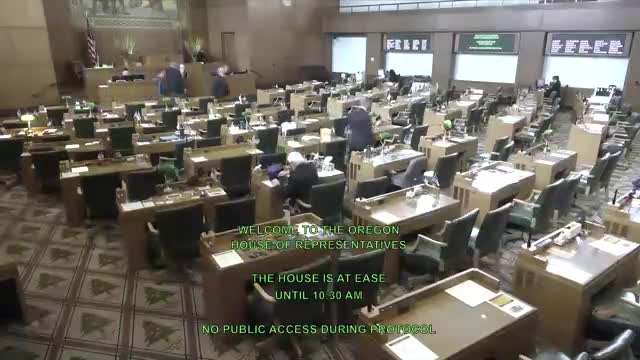
The House passed Senate Bill 7 36 after sponsors said the legislation clarifies roles and procedures for child-abuse investigations involving families and caregivers.
The bill directs the Department of Human Services (DHS) to develop standards for assessment, investigation and enforcement in child-protective cases, requires DHS to provide parents or guardians a clear written explanation of the investigative and court processes and clarifies that in cases with criminal investigation law enforcement conducts legally sound, child-sensitive investigations.
Representative Hartman, carrying the bill on the floor, said the measure makes explicit the department—s obligations in family assessments and concurrent investigations with law enforcement. "Reports of those suspected abuse involving a child's family are investigated by CPS ... and these investigations are impetus for opening a child welfare case," Hartman said. She told members the bill aims to make the process less ambiguous for families and urges better communication of rights and procedures.
The bill also requires that when DHS or law enforcement conduct joint investigations, the roles of each agency be clearly differentiated in local protocols and that DHS provide a brochure or written disclosure telling parents that the department representative is not an attorney and cannot provide legal advice.
On the floor Hartman noted amendments negotiated with district attorneys and law-enforcement stakeholders to clarify the materials provided to families and to ensure the bill—s changes can be implemented without unintended conflicts with criminal processes. The measure was passed and declared to have received the constitutional majority.
Supporters said the bill responds to concerns from families and law enforcement about inconsistent practice and gaps in written information provided during an investigation, and they called for continued coordination between DHS and local agencies as the bill is implemented.