Newman‑Crows Landing board hears 2025‑26 budget projection showing $61.3M expenditures and declining fund balance
Loading...
Summary
Superintendent presented the district's 2025‑26 proposed budget June 9, projecting $61.3 million in expenditures, a three‑year rollover decline from $12.7M to $4.2M if trends continue, and a $7 million special‑education funding shortfall. The public hearing closed with questions about reserve targets.
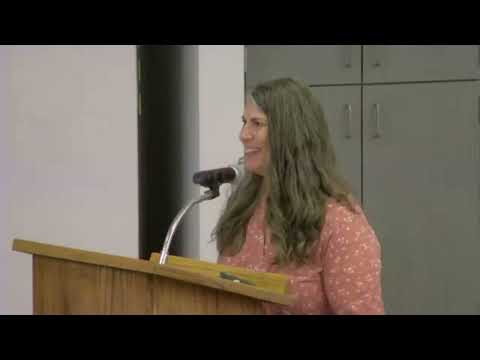
The Newman‑Crows Landing Unified School District held a public hearing on its proposed 2025‑26 budget at the June 9 board meeting, where Superintendent Pruitt reviewed revenue assumptions, three‑year projections and areas of fiscal pressure.
Pruitt told the board and public that the district's total expenditures in the proposed budget were $61.3 million against projected revenues of about $56.7 million, producing a negative operating change that reduces the district's ending fund balance from $12.7 million to $8.4 million in the coming year. Over a three‑year projection, the rollover fund balance could decline to about $4.2 million if current trends continue.
Pruitt emphasized enrollment and average daily attendance (ADA) as primary revenue drivers: the district serves just over 3,000 students but the ADA projection used for budgeting was 2,907. "For every percent raised, it increases — every percent of attendance increase is over $300,000 increase to the district," Pruitt said, illustrating how small attendance changes affect revenues. The budget assumes a 2.3% cost‑of‑living adjustment (COLA) from the state in projections.
He identified structural pressures: rising employer contributions to CalSTRS and CalPERS, exhaustion of one‑time supplemental funding, and a district shortfall in special education funding. "We are funded at a $7,000,000 funding shortfall for special education," Pruitt said, adding that the district will not reduce special‑education services but will cover the gap from other funds.
Pruitt also described programmatic changes intended to improve services and operational efficiency, including bringing some special‑education placements closer to students (a 3–12 moderate‑severe continuum and a K–2 SDC autism program) to reduce long bus rides for students. He noted the district plans to pursue attendance recovery strategies, including changes to independent study at different grade levels.
A member of the public asked whether the district's 7–8% reserve target was legally required; Pruitt answered that the state requires a 3% minimum reserve but the district maintains a 7–8% reserve to ensure sufficient cash on hand to pay bills and manage cash deferrals. The public hearing on the 2025‑26 proposed budget was opened and closed during the meeting; the budget will proceed through the district's adoption process in coming weeks.