Get Full Government Meeting Transcripts, Videos, & Alerts Forever!
Get email alerts on the Downtown Economics And Vacancy topic
No spam. Unsubscribe anytime.
St. Helens planning commission to inventory vacant and underused downtown storefronts; Main Street collaboration planned
Summary
Commissioners discussed a multi‑step effort to identify vacant or underused storefronts downtown, work with Main Street and property owners, and craft targeted questions and incentives; staff and volunteers will compile an inventory and return with a list for the next joint meeting.
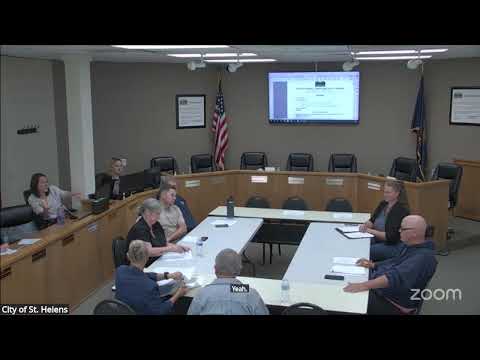
City planning commissioners and councilors on June 11 opened a months‑long effort to understand and address vacant and underused storefronts in downtown St. Helens, focusing first on inventory and information gathering rather than immediate regulatory penalties.
A planning commissioner who volunteered to lead the effort described being “foolish enough to volunteer” to research models used by other cities and to start building a scope for action. The commission discussed models used elsewhere — including registry and penalty programs in some municipalities and incentive programs such as facade grant funds — and agreed the near‑term task is to identify the specific properties of concern and the stories behind them.
Mike DeRoya, the city building official, said he had spoken with Astoria’s building official and cautioned that local approaches vary. Main Street representatives have compiled lists of downtown properties and owners; commissioners asked staff to obtain and share that list so the group does not duplicate existing outreach. Marcy (Main Street) was identified as a contact who already has data the commission can use.
Members emphasized distinguishing between truly vacant storefronts and underutilized buildings (spaces that contain personal belongings or short‑term storage and are not marketed as vacant). Councilor Brandon Sundin and others urged the group to ask property owners about motivations and constraints — for example, whether an owner is elderly and uninterested in redevelopment, or whether financial barriers are the driver. Commissioners agreed the questionnaire should be consistent and used across properties.
On incentives, commissioners noted existing local tools (urban renewal facade funds, Main Street programs) and suggested that renovation assistance, system development charge adjustments or targeted grants could be part of a carrot strategy; participants also noted that regulatory “sticks” such as vacant property registries can be politically sensitive and raise legal questions. The group also discussed the role of a downtown strategic plan and economic development staff in shaping longer‑term incentives.
For next steps, the commission agreed: staff will request Main Street’s existing inventory and ask for clarification of their vacancy parameters; commissioners and councilors will submit properties they consider of concern; staff and volunteers will produce a consolidated, mapped inventory and a short set of consistent questions to ask owners. The group planned to return with that inventory and a recommended outreach approach at the next joint meeting. No new code or penalties were adopted.