
Volunteer firefighters and residents challenge countycity fire protection agreement amid safety, funding concerns
Get AI-powered insights, summaries, and transcripts
Subscribe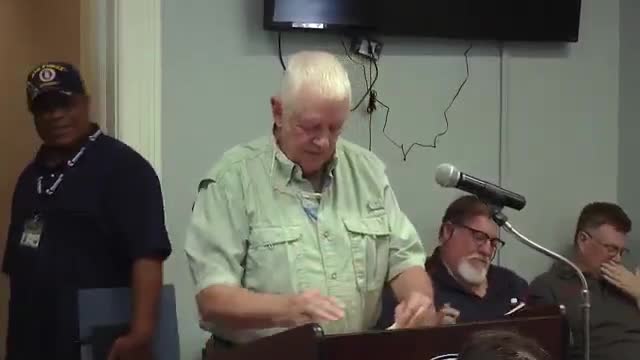
Summary
A long-time volunteer firefighter told the Adams County Board of Supervisors that a proposed interlocal agreement with the City of Natchez changes volunteersroles, raises liability and insurance questions, and leaves volunteer companies without clear funding for equipment and maintenance.
David Baker, a volunteer firefighter and longtime resident, told the Adams County Board of Supervisors at its regular meeting that wording in a proposed interlocal agreement with the City of Natchez would alter the practical relationship between volunteer departments and municipal fire resources and could harm protection for rural residents.
Baker said the agreement—an annual interlocal arrangement the board reviews and signs—appears to date from the 1990s and does not reflect current conditions, training levels or equipment needs. He urged the board to use rebate and insurance funds to support volunteer stations and to renegotiate any provision that he said would limit volunteersability to act on arrival. "This document basically does away with that with some of the wording in it," Baker said, adding that language describing volunteers as having to "be so boring to hatch this fire" is demeaning and undercuts volunteer morale.
Why it matters: Baker argued that rural residents depend on close volunteer response times to prevent rapid structure loss, saying mobile home fires can be fully involved in 7 to 10 minutes and that volunteer response can be the difference between saving a life and losing a home. He also tied volunteer capacity to insurance ratings that affect property ownerspremiums.
What speakers said and asked - Baker described his training and field experience and said volunteers sometimes arrive before municipal units; he asked why the agreement would restrict volunteers' ability to act when they reach a scene. He noted that many local volunteer trucks are more than 20 years old and said rebate money could pay for repairs and safer turnout gear. - Board members and staff asked procedural and funding questions. A county official noted the board will consider the budget and the insurance rebate funds as part of next years planning. - Other supervisors and attendees raised related operational points: water supply and capacity for wildland fires, mutual aid protocols, and whether volunteers could be paid or receive remuneration under state law.
Details and clarifications raised in the meeting - Insurance rebate funding: Baker repeatedly recommended using insurance rebate funds to maintain volunteer vehicles and equipment; he described that such funds could cover tires and basic repairs and said the county could support volunteers without adding a general-tax burden unless an accident or major loss occurs. - Fire district ratings: Baker said parts of the county are class 7, class 9, and class 10 for insurance-rating purposes, and he connected those classifications to rates residents pay. - Operational limits: Baker warned that some municipal volunteer units lack wildland-capable equipment and training for fires beyond a fraction of an acre and urged better mutual-aid agreements and clarity so there is no confusion over responsibilities when multiple units arrive.
What the board recorded and next steps The board did not take a final vote on the interlocal agreement during Bakers remarks; supervisors said the item will be addressed in the budget and in future negotiations. Supervisors asked staff to provide cost estimates and to bring the agreement language back for review. Baker offered to meet with county staff to help draft suggested changes.
Ending: The board acknowledged Bakers presentation and said the timing of the county budget process means decisions on rebate allocation and contract language will come before the supervisors during the upcoming budget review cycle.