Get Full Government Meeting Transcripts, Videos, & Alerts Forever!
Get email alerts on the Human Resources topic
No spam. Unsubscribe anytime.
Holmen district proposes handbook changes to leave, summer pay and substitute rules
Summary
District human resources presented a set of proposed employee handbook changes — including new one-hour leave increments for salaried staff, a reallocation of sick and personal days for school-year employees, added floating holidays for year-round staff and updated summer-school and extra-duty pay rules — to appear on the June 23 consent agenda.
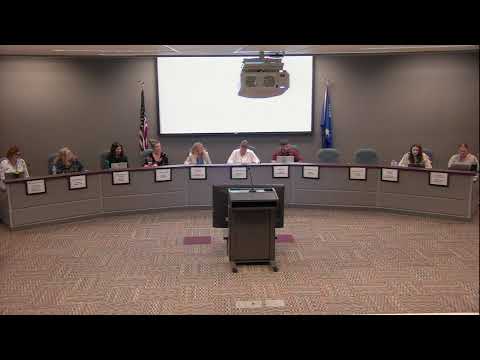
The Holmen School District presented multiple updates to its employee handbook at the June 9 board meeting that the district plans to place on the June 23 consent agenda.
District Director of Human Resources Melissa Keats said the package of changes is intended to align handbook language with “new regulations” and district practice and to give staff more flexibility amid limited base wage increases. "This change is lowering the amount of leave that they can request to 1 hour minimum increments," Keats said, describing a shift from larger increments previously required for salaried employees.
The most consequential changes Keats described affect three groups of employees. For salaried staff (educators, nurses, administrators and directors) the district would change paid/personal leave to allow one-hour minimum increments. For school-year employees (those who do not work year-round) the recommendation moves from 9 sick days and 2 personal days to 7 sick days and 4 personal days, with two unused personal days allowed to carry into the sick bank. For year-round staff the proposal adds two floating holidays that "could be used on non school days" to avoid substitute costs.
Keats also described edits for unpaid leave and post-employment/retiree coverage language to align benefits with the district’s cooperative health insurance model, and noted the handbook will more narrowly define retiree coverage so that other post-employment options would be addressed outside the handbook.
Changes specific to educators include revised language tying extra-duty roles to the building level, aligning team leader and department-chair stipends with middle and high school structures, adding pay for staff on “hate and bias” teams, and clarifying overload and summer-school compensation. Keats said high-school summer offerings are split into two sessions: a June, credit-bearing session and a July recovery session, and the proposed language distinguishes pay by session and by enrollment. Keats also recommended summer band and music programs be paid at the same rate as credit-bearing summer courses to reflect multi‑hour time commitments.
The handbook updates for hourly employees include revised route‑bidding rules for bus routes (posting vacant routes for annual bidding and adding in‑year vacancies to the next year’s bid process), new job‑sharing language to allow reliable substitutes to share positions with base pay rather than substitute pay, and aligning paid‑vacation language with minute-by-minute sick‑leave changes made last year. Keats said she and transportation staff worked to incorporate eliminated 4K routes into the bidding language.
Co‑curricular and elementary stipends were also updated to allow principals flexibility to issue annual stipends for activities aligned to student interest; Keats offered examples such as running club or Dungeons & Dragons. Substitute pay rate language was expanded to include rates for certified occupational therapy assistants and hearing‑impaired interpreters so the district can hire substitutes when those staff are absent.
Board members asked clarifying questions about compensation for AP teachers, the reduction from three extra‑duty stipend levels to a single level, and how summer‑school pay will be applied; Keats said AP compensation is handled case-by-case and summer‑school language is intended to align pay with type of session and workload. The changes were presented for approval on the June 23 consent agenda; no final action on these handbook items occurred at the June 9 meeting.
Keats framed the package as an effort to provide flexibility to staff amid limited base wage increases and to codify practices that have developed in buildings, while board members and the public will see the final language on the June 23 consent agenda.