Get Full Government Meeting Transcripts, Videos, & Alerts Forever!
Get email alerts on the Public Health Childhood Obesity topic
No spam. Unsubscribe anytime.
Superior council pauses proposal to limit toys in unhealthy kids’ meals after heated public debate
Summary
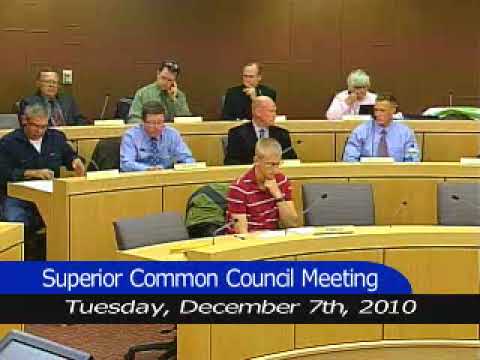
Councilor Greg Mertzuk introduced an ordinance aimed at limiting toy giveaways in fast-food children’s meals that he said are “very unhealthy,” prompting more than a dozen public speakers and a roll-call vote to receive and file the proposal.
Councilor Greg Mertzuk introduced an ordinance aimed at limiting toy giveaways in fast-food children’s meals that he said are “very unhealthy,” prompting more than a dozen public speakers and a roll-call vote to receive and file the proposal.
Mertzuk told the Common Council he introduced the idea to discourage marketing tactics that reward children for eating unhealthy food, saying the ordinance is “intended to limit toy giveaways in fast food meals that are unhealthy, specifically targeting children.” He asked that the proposal be sent to committee for further work on language and stakeholder concerns.
The proposal drew extended public comment from health professionals and public‑health advocates who urged action. Anne Steven, who identified herself as a pediatrician, told the council she sees obese children in clinic and described the pressure families can face from toys that accompany meals. Jamie Harvey, executive director of the Institute for a Sustainable Future, cited national studies and said a high share of meals served with toys fail to meet nutrition standards. Nancy Monahan Berry, another pediatrician, described an 8‑year‑old patient who weighs 203 pounds and has type 2 diabetes, and said the community must address factors that contribute to childhood obesity.
Not all speakers supported the measure. Adam Bennis of Superior called the proposal an improper intrusion by government, saying parents should decide what their children eat. Several councilors also raised concerns about enforcement and local priorities. Councilor Herrick said schools and physical education should be a greater focus, while Councilor Bridal questioned the level of attention and resources a local ordinance would require.
During debate, Mertzuk reiterated that the ordinance “in no way dictates to parents what they can and cannot feed their children” and “in no way restricts what a restaurant or fast food restaurant can serve to their customers or put on their menus.” He said the proposal would instead prevent the industry from “reward[ing] children for eating these potentially lethal foods.”
Council members ultimately voted on a motion to receive and file the communications on the proposal — a procedural outcome that effectively halts the ordinance as presented. The council conducted a roll-call vote: one member voted no, one member abstained, and seven voted to receive and file the matter, which the mayor stated would drop the issue from immediate consideration.
What happened next: Councilor Mertzuk and several supporters said the proposal still could be refined in committee and that the public hearing materials and letters submitted (including support letters from local restaurants and national public‑health organizations) will remain on the record. No further committee referral or ordinance language was adopted at the meeting.
Why it matters: Supporters framed the measure as a public‑health intervention aimed at a national trend of marketing unhealthy meals to children; opponents framed it as an overreach that raises enforcement and priority questions for the city. The council’s vote to receive and file leaves the issue dormant unless a member reintroduces a revised proposal.
Speakers quoted or cited in this article are listed in the attribution section below.