Citizen Portal
Sign In

Habitat for Humanity seeks city-owned land for affordable homes in Odessa

3771694 · June 10, 2025

Loading...

AI-Generated Content: All content on this page was generated by AI to highlight key points from the meeting. For complete details and context, we recommend watching the full video. so we can fix them.

Summary

Habitat for Humanity representatives asked Odessa leaders to partner on three city-owned tracts and other properties to build modest, low-cost homes aimed at households earning 30–60% of area median income; council directed staff to return with a memorandum of understanding for due diligence.

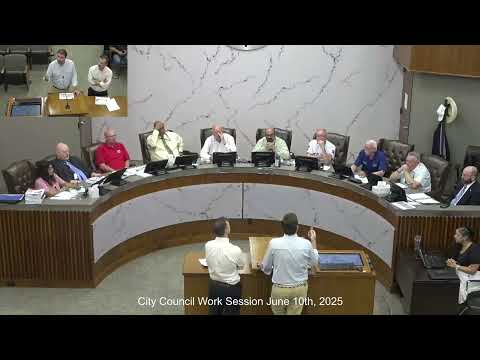
Habitat for Humanity representatives told Odessa city officials on June 10 that the nonprofit wants to develop several city-owned tracts to build inexpensive owner-occupied houses for low-income households.

Jeff Myers, a Habitat representative, said the organization “does the development work” and “we're the builder too, so we have our own full time construction team,” describing a model in which Habitat installs streets and utilities, builds homes with volunteers and sells them to qualifying buyers on a 0% interest mortgage.

The nonprofit said it serves households earning roughly 30%–60% of area median income, typically single-parent families and workers such as teachers and hospital staff. Myers said typical monthly payments including taxes and insurance are about $700 and that homes are usually about 1,100–1,200 square feet. Buyers complete 250 hours of “sweat equity” and a homebuyer education class before closing.

Why it matters: Habitat says there is a persistent shortage of homes under $200,000 in the Permian Basin. The group argued converting unused city lots to owner-occupied homes would generate property tax revenue, stabilize neighborhoods and expand workforce housing.

Details from Habitat’s pitch and council discussion

Myers and Joey Hopkins, identified in the meeting as Habitat’s executive director, described three city-owned tracts they have discussed with staff: a roughly 7.5-acre parcel south of Odessa Street and Seminole (showing about 42 potential lots); a 4.8-acre site near 50 First Street in the Tanglewood area (a conceptual layout of about 24 houses); and a pie‑shaped 2.3-acre site on Devonian, sketched for about 15 houses. Myers said the affiliate projects in Midland and Odessa have expanded since a 2014 consolidation and that Habitat projects building up to nine homes in Odessa next year if more land becomes available.

Myers noted legal and site challenges that would need clearing: title issues for properties with multiple mineral owners, and a small number of sites designated as drill sites under local zoning, and possible residual contamination at one site where salt had been stored. He said Habitat can pay for environmental studies and title work but asked the city for written assurances before spending those funds.

Council direction and next steps

City and county officials discussed steps to check title and drilling designations: Dan (city staff) volunteered to email Steve Posik and Keith Becker to investigate oil-and-gas and title issues; Joe Tucker, the city engineer, agreed to look into environmental testing and to provide cost estimates for a more detailed Phase I study. Council agreed to add a memorandum of understanding (MOU) to the next city agenda so the parties can authorize due diligence work.

Jeff Myers said Habitat’s board would be willing to cover environmental studies if the city provided a short written agreement allowing Habitat to proceed with due diligence. The council asked staff to estimate costs and report back so the city can decide whether to authorize or budget for any testing or cleanup.

Context and constraints

Habitat emphasized its nonprofit financing model: it builds at-cost homes, sells with a 0% interest mortgage and protects resale equity with a silent second lien. Myers said the affiliate has completed more than 200 houses overall and that its mortgage portfolio contains roughly 130–140 active loans, with 60–70 homes having been paid off over time. He also described recent local philanthropic support, including a $200,000 grant from the Permian Basin Area Foundation and donations from private partners such as Oxy.

Ending

Council members who spoke expressed support for exploring partnerships but asked staff to return with legal and environmental analyses before any binding commitments. The council directed staff to place an MOU for consideration on the next council agenda so Habitat and the city can begin formal due diligence and clarify next steps.