Citizen Portal
Sign In

HEB ISD presents 2025 preliminary state assessment data; district outlines multi‑level response

Loading...

AI-Generated Content: All content on this page was generated by AI to highlight key points from the meeting. For complete details and context, we recommend watching the full video. so we can fix them.

Summary

District leaders presented preliminary 2025 state assessment results, noted mixed year‑to‑year movements across grades and subjects, and described a Plan‑Do‑Study‑Act process with calibration, professional development and targeted interventions to address declines.

District curriculum leaders presented preliminary 2025 state assessment results and described how the district will use the data to guide improvement efforts.

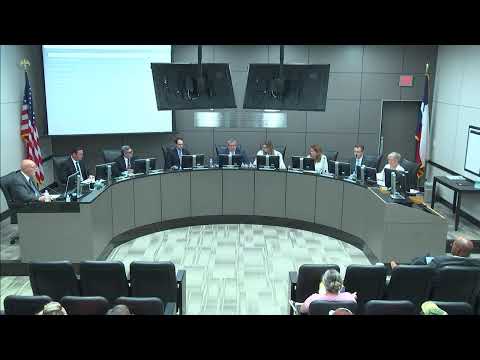
At the start of the presentation a district staff member said: "Tonight I will share the 2025 preliminary state assessment scores and highlight how H E B uses the results to support ongoing student growth across the district." The presenter noted 2023 was a refresh baseline year, 2024 showed dips in some subjects and grades, and 2025 showed a partial rebound in other areas.

Holly, a district instructional leader, walked trustees through how the data generate questions and actions rather than single answers. "What questions does the data cause me to ask? Because it's not telling us a whole story. We're gonna have to dig a little bit deeper," Holly said. She explained district leaders and campus leaders will take different but coordinated approaches: curriculum coordinators will check curriculum alignment and assessments; campus leaders will look at instruction and classroom practices; both sides will collaborate to identify root causes.

District actions described: staff said the district will use an assessment calibration process tied to unit tests (DBAs/unit assessments) to better align local assessments to STAAR formats and cognitive demand. Holly described planned professional development, district and campus improvement plans, mid‑year formative reviews in November and February, and end‑of‑year summative reviews leading into next year's plans. She also highlighted a policy change that automatically placed certain students in advanced math based on state‑level top‑40% criteria and said HEB ISD moved roughly 33% to 55% of that cohort into advanced math this year under the state rule.

Why it matters: trustees were shown that year‑to‑year score swings can reflect testing changes, curriculum adoptions (science materials were recently updated), placement policy changes for advanced math, and language‑acquisition variability for Spanish testing. Staff cautioned against read‑acrosss without comparison district data and said they will provide district comparisons and more detailed modeling as the TEA releases official scores.

Questions and follow up: trustees asked about small sample sizes for Spanish tests and about whether parents opted out of advanced‑math placement; staff said very few parents opted out and that district comparisons would be shared when state releases arrive. The district will provide additional comparative data to the board when TEA posts statewide and district results.