Get Full Government Meeting Transcripts, Videos, & Alerts Forever!
Get email alerts on the Land Use Animals topic
No spam. Unsubscribe anytime.
Live Oak council asks planning staff to draft ordinance allowing backyard hens
Summary
Council members directed land-development staff to draft an ordinance to allow backyard hens in single-family zones, with parameters such as no roosters; staff said the change would require revising multiple sections of the land development regulations and would go to planning and zoning for recommendation before returning as an ordinance.
The City of Live Oak council directed land development staff to draft a code amendment to allow backyard chickens in appropriate residential zones.
A council member proposed changing the city code so residents could keep hens, and several council members said they expected any local rule to prohibit roosters and limit the number of hens. One speaker said a typical allowance in nearby towns is up to 10 hens with no roosters.
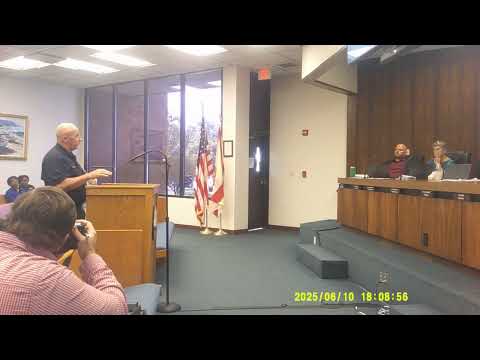
George Perris, a city staff member who addressed the council, said that current land development regulations dating to a 1985 document prohibit keeping chickens, goats, hogs and similar animals except on agricultural property where density rules apply. He said drafting an ordinance would require identifying and changing multiple sections across the land development regulations. Perris advised that a proposed amendment would go first to the planning and zoning board for a recommendation and then return to council as an ordinance.
Council discussion focused on limiting allowances to single-family homes (not apartment complexes), excluding roosters and using education and outreach rather than a permitting process. Perris said the city could rely on code enforcement rather than issuing new permits and recommended a public-education approach alongside any code changes.
The council voted to direct staff to research and draft an ordinance. The motion was seconded and passed by voice vote.