Get Full Government Meeting Transcripts, Videos, & Alerts Forever!
Get email alerts on the School Bond topic
No spam. Unsubscribe anytime.
Bond fails to reach required two‑thirds majority; district to survey voters and propose elementary boundary changes
Summary
A school bond failed to reach the 66⅔ percent approval threshold despite receiving about 53% yes votes. District leaders plan outreach and data analysis, a voter survey and public-record requests to understand the vote, and will propose phased elementary boundary adjustments and a return of most in‑district transfers as a follow-up.
The proposed Middleton School District bond did not reach the 66⅔ percent approval threshold required for passage. District leaders reported roughly 53% voter approval and said they will pursue follow‑up analysis and community outreach to identify concerns and plan next steps.
Board members and administrators outlined a two‑track follow‑up: (1) analyze the election and better understand voter decisions via surveys, public‑records requests for voter rolls and targeted phone contact; and (2) pursue immediate operational adjustments—most notably proposals to rebalance elementary school enrollments by changing in‑district transfer rules and redrawing elementary boundaries in phases.
What the district will do next - Surveys and data gathering: the district released a parent/community survey and intends to expand distribution; staff reported roughly 374 early survey responses, including both yes and no voters, and said they would share results at the July board meeting. Officials also filed a public‑records request for voter rolls to examine turnout by geography and demographics and plan a calling campaign for qualitative follow‑up. - Legislative outreach: board discussion noted that some caller concerns focused on impact fees and growth; district officials said they will contact state legislators about development impact fee options that could help future financing efforts. - Short‑term operational actions: to address overcrowding without new construction, administrators proposed requiring most in‑district transfers to return to students’ home schools with four narrow exceptions: children of district employees working at a school, students in the graduating grade cohort (to reduce disruption), students with legal/custody reasons, and students receiving services tied to special education. The district said administration will accept volunteers for necessary teacher moves and use a defined involuntary reassignment process only if volunteers are insufficient. - Boundary proposal and timeline: administrators proposed a two‑phase boundary adjustment that would shift an estimated ~80 students from overcapacity elementary campuses into Purple Sage Elementary for the 2026–27 school year, with a smaller initial move feasible for 2025–26 limited to students located above Purple Sage Road. Staff said portables are planned for the longer phase but cannot be installed immediately; the July board meeting will include finalized proposals and public feedback summaries.
Why it matters: the bond failure leaves the district without planned capital funds to build capacity; the short‑term boundary and transfer changes are intended to balance enrollments and reduce overcrowding while the district analyzes voting patterns and considers options for future financing.
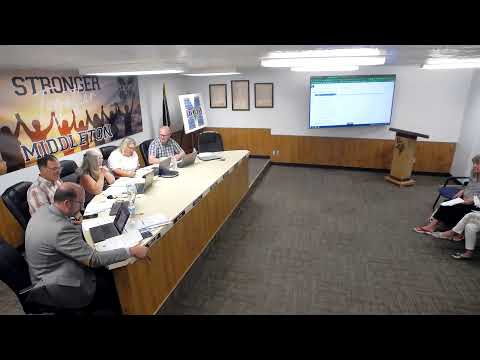
Board process and public engagement Trustees directed staff to gather more detailed turnout and survey data, meet with principals, draft a public explanation and solicit community feedback before the July meeting. The district emphasized it will allow parents to comment on proposals before the board takes final action.
Speakers in the discussion included district administrators and the board; administrators said that precinct‑level results showed differing vote patterns and that some neighborhoods closest to the proposed build site voted more heavily against the bond. The district will publish its survey results and planned next steps for stakeholder review.