Get Full Government Meeting Transcripts, Videos, & Alerts Forever!
Get email alerts on the Education School Improvement topic
No spam. Unsubscribe anytime.
Valley Central principals report mixed gains on school improvement goals; communication and attendance highlighted
Summary
Principals from Valley Central School District presented annual school improvement plan results, reporting modest academic gains, stronger family communication after a districtwide switch to ParentSquare and targeted attendance and mentoring wins for at‑risk students.
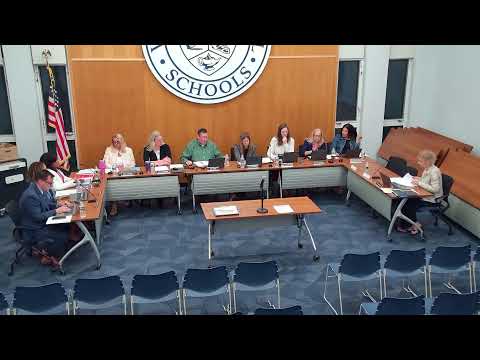
Principals from Valley Central School District presented results of this year’s school improvement plans at the board meeting, reporting modest gains on academic measures, stronger staff‑family communication and targeted efforts to support at‑risk students.
The presentations focused on three shared priorities: student achievement and engagement; community belonging and school pride; and clear, transparent communication. Principals provided school‑by‑school data on NWEA/MAPS growth, attendance interventions, mentoring pilots and family‑engagement steps.
Greg Heinemann, principal of Walden Elementary School, said the building did not meet a 5% target for K–3 reading comprehension but “we did see 2% increase in reading comprehension as measured by the NWEA.” Heinemann described increased family reach after the district switched to ParentSquare, noting that “as of May … 96% of our parents are now receiving our communications.”
Matthew Canino, principal of Montgomery Elementary School, reported a 3% increase in student proficiency on NWEA after school interventions and coaching. Canino emphasized work on “high level twos” — students close to proficiency — and said 41 students moved from level 2 to proficient this spring.
Cara Rapp, principal of Berea Elementary School, said the school targeted 112 "high level two" students with prescriptive MTSS work; 27% of those students reached proficiency and “80% … demonstrated an average growth score of 11 points,” she reported. Rapp also described a staff‑mentoring program in which 42% of mentees reduced absences and 79% had equal or fewer discipline referrals after the program began.
School leaders at the middle, ALC and high school reported similar themes: measurable growth by many targeted students even when proficiency goals were not fully met, increased positive family outreach and new programs to build adult–student relationships. The middle school cited a 50 percent increase in documented positive parent contacts districtwide, and the high school reported a 16‑point drop in students who said they felt lonely at school between fall and spring surveys.
District administrators and principals credited sustained coaching, data teams, MTSS intervention blocks, behavior recognition systems (PBIS) and investments in communication platforms for the progress. Assistant Superintendent for Curriculum and Instruction said the district adopted the Amplify CKLA literacy program for K–5 and is drafting an MTSS handbook to standardize intervention practices.
The board did not take formal action directly tied to the presentations that night; board members praised the work and asked for continued focus on Tier 1/2 interventions and mental‑health supports. Superintendent Avila and principals noted several goals remain unmet and will carry forward into next year’s SIPs.