
Emmett trustees table pay-to-play fee changes after parents raise equity concerns
Get AI-powered insights, summaries, and transcripts
Sign Up Free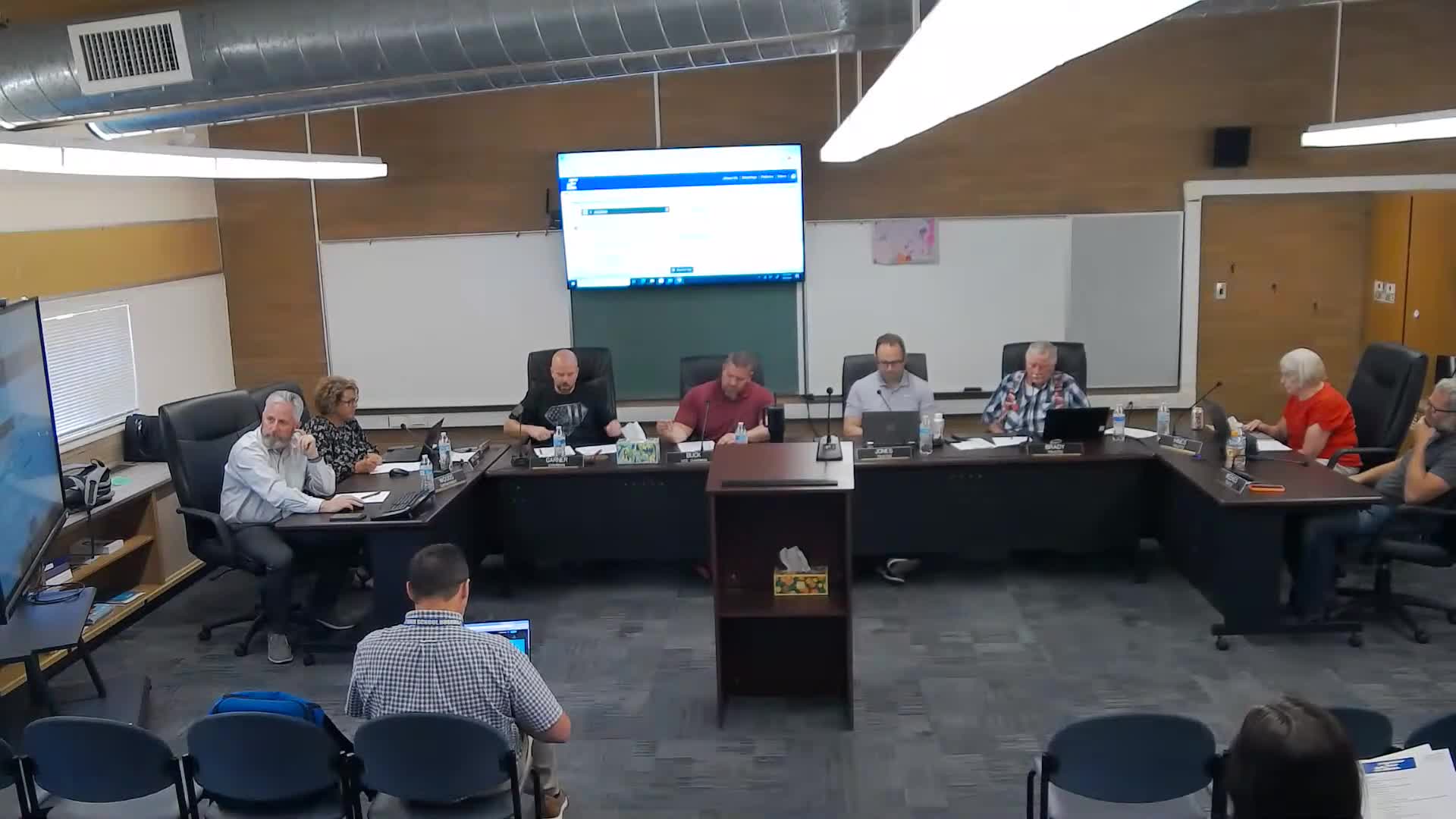
Summary
The Emmett Independent District board paused a planned change to activity fees after parents—especially those who homeschool—urged the district to reconsider charges they said single out non-enrolled students and create barriers to participation.
Emmett Independent District trustees on Wednesday paused action on a proposed increase to activity and athletics registration fees after multiple parents and coaches urged changes and called for hardship protections.
The public comment period included several parents who said the proposed fee schedule treats students who are not enrolled full time in the district—including homeschool and charter students—as if they should shoulder more of the cost of extracurricular programs. One speaker who identified herself as a parent said, “Singling out homeschool children with higher fees feels punitive and creates unnecessary barriers in our community.”
Why it matters: Trustees said the policy was developed because districts receive state funding based on daily attendance; students who do not attend full time do not generate the same dollars but sometimes participate in district activities. Parents and coaches said higher fees would reduce participation and harm teams that rely on students who attend elsewhere or are homeschooled.
Details and debate - Several parents described the personal impact. Janelle Howerton, who said she coached EMS tennis for five years, described many homeschooled and choice‑school athletes as “vital members” of teams and said their presence “mattered.” - Raul Banuelos, a parent, described direct costs for families: “My son has to pay for every football game, every basketball game, every wrestling match, every baseball game that he actually goes to,” and said fees add up when students play multiple sports. - District staff explained that athletics are funded from discretionary state dollars tied to students who attend the district; transportation for athletic events is reimbursed differently if trips are classified as educational rather than extracurricular. Staff said there is no automatic state reimbursement that would cover sports fees for students who are not enrolled full time.
Board response and next steps Trustees did not adopt new fees at the meeting. After discussion that included multiple options raised by board members and staff—lowering the middle‑school fee, capping family charges, and creating a hardship or scholarship process—the board voted to table the proposal to the next meeting. Trustees and administrators said they will gather more data (how many non‑enrolled athletes participate, cost breakdowns by sport and level) and consider policy changes such as: - a lower fee for middle school participation to encourage trial of new sports; - a family cap so multi‑sport athletes would not pay full price for each season; and - a formal hardship process so students are not excluded for inability to pay.
The athletic director (name not specified in the record) told the board, “We would never turn a kid away from playing,” and described booster clubs and other local supports that have covered fees for individual students in the past.
What’s next: The board asked staff to provide clearer cost breakdowns by sport and level and said it would revisit the policy at its next regular meeting; the formal motion to table carried.