Get Full Government Meeting Transcripts, Videos, & Alerts Forever!
Get email alerts on the Juvenile Detention Restorative Services topic
No spam. Unsubscribe anytime.
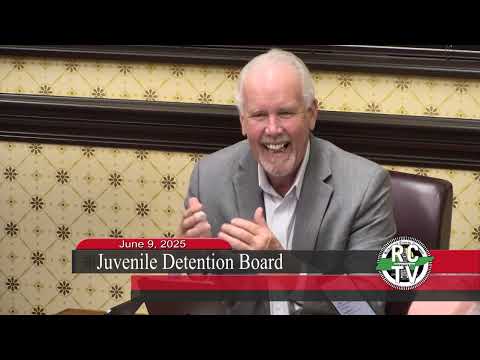
Rutherford County board: 15 youths in detention; members urge more restorative services and a field visit to youth services
Summary
At its monthly meeting the Rutherford County Juvenile Detention Board reviewed a data report showing 15 youths in the facility (six from Rutherford) and discussed restorative programs, reintegration barriers such as housing, and a potential field visit to juvenile probation’s youth services.
The Rutherford County Juvenile Detention Board reviewed a staff data report at its meeting and discussed expanding restorative services and outreach for youths in custody after hearing that 15 young people were in the detention facility, six of them from Rutherford County.
Board members said the facility population includes many youths charged with violent offenses and emphasized rehabilitation and community reintegration rather than treating the population as truancy cases. Lynn Duke, a detention center staff member, told the board, “We had 15 kids, in the facility, 6 of those from Rutherford. We had 2 from Coffee County, 2 from Sumner County, and 1 each from Franklin, Gibson, Lauderdale, Robertson, Simpson.”
The board’s discussion centered on restoring youths to productive community roles and on the services available before and after detention. Judge Steve Daniels said the population is “redeemable,” adding, “If we put out a seed in them to change their lives … we’re making a big change for society.” Doctor Michael McDonald and other board members repeatedly urged more attention to housing, transportation and community programs that help youths leave detention and not return.
Board members asked staff to explore arranging a field trip and additional presentations to better understand youth services in operation. Judge Daniels asked staff to “check on some of that as well and get back to us,” referring to the possibility of visiting juvenile probation offices or having Judge Lampley or a representative come to a future meeting to explain available programs and tools. Lynn Duke and other staff were asked to coordinate with youth services leadership, including Tina Bigby, the director of youth services referenced by board members.
Members noted agencies and nonprofits already working with this population; one example cited in discussion was Doors of Hope, which provides transitional housing for women (mentioned as context for housing barriers). The board did not approve new policy or funding at the meeting; it accepted the data report without objection.
The board also agreed to include more success stories from the facility on future agendas and to invite Garland Henley, who oversees education services for the facility, to a future meeting to discuss education and transitions.
The discussion included both questions about statutory authority for detention use and practical barriers to reintegration; the board distinguished between discussion (ideas and requests for information), direction (staff asked to check availability and arrange briefings), and formal action (acceptance of the data report).