Get Full Government Meeting Transcripts, Videos, & Alerts Forever!
Get email alerts on the Stormwater Management topic
No spam. Unsubscribe anytime.
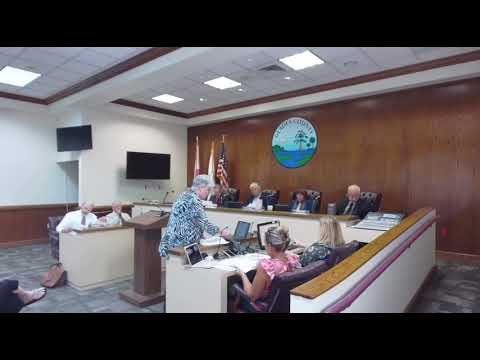
Glades County staff briefs commissioners on stormwater program, illicit‑discharge detection and outreach
Summary
County environmental staff presented Glades County’s stormwater management program and its Illicit Discharge Detection and Elimination (IDDE) program, explaining regulatory framework, local ordinances, outreach materials and ways residents can report suspected discharges.
Glades County staff gave a detailed presentation Tuesday on the county’s stormwater management program and its Illicit Discharge Detection and Elimination (IDDE) program, outlining regulatory obligations, local ordinances, and steps residents can take to report pollution.
Susan Cushon, a county staff member, told the Glades County Board of County Commissioners the program implements federal and state requirements and local best management practices. She said the program’s purpose is to limit polluted runoff that can harm habitat and public waterways and noted the county must document public education and outreach efforts as part of its permit obligations.
The presentation placed the county program within the federal and state framework: the federal Clean Water Act, implemented by the U.S. Environmental Protection Agency (EPA), and the Florida Department of Environmental Protection (FDEP) at the state level. Cushon described six core control measures used nationally and locally: public education and outreach; public involvement and participation; construction site runoff controls; post‑construction stormwater management; pollution prevention and good housekeeping; and illicit‑discharge detection and elimination. She said the county uses brochures, web and social‑media posts, and partnerships with local associations to meet the outreach and documentation requirements.
Cushon described local rules and thresholds: the county has adopted ordinances addressing stormwater drainage (Chapter 31) and soil‑erosion control (Chapter 32). She said developers disturbing more than one‑half acre must submit a Stormwater Pollution Prevention Plan (SWPPP) with construction plans. County crews inspect roads and parks, record debris and maintenance activities, and report those annual totals to FDEP.
On illicit discharges, Cushon said the county maintains an IDDE standard operating procedure that FDEP has approved and a stormwater‑sewer map showing outfalls that ultimately drain to Lake Okeechobee and the Caloosahatchee River. She showed examples of indicator signs residents can use to spot potential illicit discharges — visible liquid flowing from a pipe when there has been no recent rain, unusual odors (including rotten‑eggs or gasoline smells), or persistent stains and sheens — and said those observations should be reported to county code enforcement. "That is stormwater that is carrying pollution that enters our waterways," Cushon said during the presentation.
Cushon also described typical illicit‑discharge sources: improper disposal of paint rinsate, concrete washout, restaurant wastes, trash and sewage, and runoff carrying petroleum or heavy metals from industrial sites. She noted the county participates in basin management plans with regional partners and provides printed brochures at county offices and online for businesses and residents.
The presentation concluded with staff offering to provide printed IDDE materials to department offices and to continue outreach through the county website and email blasts. Cushon said the IDDE program was adopted in March 2020 and updated as required when FDEP requests additional annual report information.
The county chair thanked staff for the briefing and commissioners and members of the public asked a few follow‑up questions after the presentation.