Get Full Government Meeting Transcripts, Videos, & Alerts Forever!
Get email alerts on the Homeless Cleanup topic
No spam. Unsubscribe anytime.
City staff report rising cleanup costs for homeless encampments; council to consider dedicated budget line
Summary
Public works reported about $15,000 in year‑to‑date cleanup costs related to homeless camps and requested a dedicated budget line; council discussed proactive monitoring, potential truck purchase to haul debris, and collaboration with county and nonprofits.
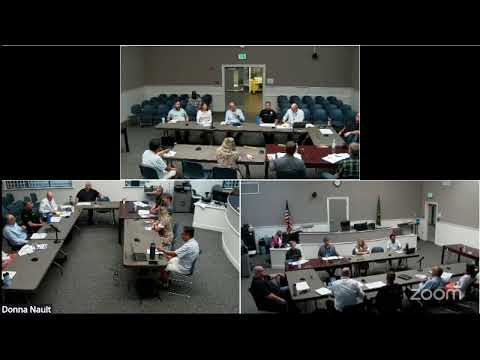
Public works staff told the Shelton City Council on June 10 that efforts to clean homeless camps, remove debris and respond to related graffiti and abandoned property have generated rising costs and staff time, and asked council to consider budgeting directly for that work.
Public works presenter Jay Harris said crews have tracked roughly $15,000 year‑to‑date for camp cleanups, dump fees and staff time. Staff added that regular monitoring (weekly property walks, coordination with code enforcement) helps keep problems from growing into larger—and much costlier—removals.
Council members discussed options including establishing a dedicated line in the budget for camp cleanup, purchasing a hook‑truck or dumpster to reduce contractor fees over time, and coordinating with Mason County or nonprofits to share responsibility. Staff said one‑time capital equipment (a hook‑lift truck) could reduce recurring haul fees by allowing crews to place and later pick up large dumpsters without outsourcing hauling.
Council did not approve policy changes but asked staff to include a specific homeless‑camp maintenance estimate in the draft budget and to explore partnerships and grant opportunities that could help defray costs.
The discussion acknowledged that some downtown and trail areas require frequent attention and that proactive weekly monitoring reduces overall costs compared with large, delayed cleanups.