Get Full Government Meeting Transcripts, Videos, & Alerts Forever!
Get email alerts on the Cultural Districts topic
No spam. Unsubscribe anytime.
Waterfront Cultural District leaders ask Fall River subcommittee for municipal funding after 11 years of volunteer work
Summary
Leaders of the Waterfront Cultural District told the Fall River Subcommittee on Economic Development and Tourism they have built marketing, events and materials with little city support and asked that city funding for downtown improvements be shared with the district.
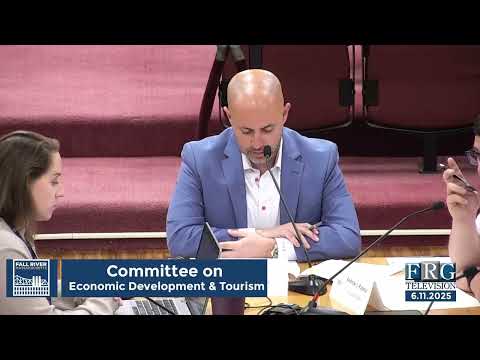
Sandy Dennis, a resident of 132 Highland Avenue and a leader with the Waterfront Cultural District, and a second speaker asked the subcommittee on Tuesday to consider directing a portion of downtown funding to the Waterfront Cultural District, a state-designated cultural district that the speakers said has operated largely on volunteer labor for 11 years.
The request came during the committee’s citizens input period as the subcommittee discussed funding for downtown South Main Street and the Flint neighborhood. "We have done this with all our own efforts. Mhmm. No efforts or support from the city," Dennis said, asking that funds being considered for downtown and the Flint include the Waterfront Cultural District.
Why it matters: The Waterfront Cultural District leaders said recent marketing work and publicity can increase tourist traffic to waterfront assets but that progress requires municipal support. The district told the committee it has worked with the Massachusetts Office of Travel and Tourism and outside firms to update listings and publish blogs that highlight Fall River attractions.
Dennis described a multi-pronged local effort: a new website after an earlier site was hacked; a dedicated Facebook page; a new logo, brochures and other marketing collateral; and outreach to state and regional tourism bodies to repair broken links and correct misinformation. The speakers said those efforts helped secure new online coverage about Fall River and the Titanic-related sites and had produced a visible uptick in local promotion.
A second speaker, identified in the record as a resident and committee volunteer, said the Cultural District and the Creative Arts Network have carried much of the work to establish the district and that the waterfront’s success is critical to the city’s economic future. "So goes the waterfront, so goes Fall River," the speaker said.
Dennis acknowledged outreach to city offices but said the district has received little practical help. "We have gotten absolutely no assistance from the mayor's office, and we have spoke to the mayor's office not once, but several times in the past," Dennis told the committee.
Discussion context: Committee members did not take formal action during citizens input. The comments were entered as public testimony; no appropriation or motion was made to change the committee’s agenda or funding allocations at that meeting.
What's next: The district asked the subcommittee to consider including the Waterfront Cultural District when allocating downtown and Flint funding that the committee is discussing.