Get Full Government Meeting Transcripts, Videos, & Alerts Forever!
Get email alerts on the Essential Air Service topic
No spam. Unsubscribe anytime.
Hays leaders urge residents to press federal lawmakers after proposed cuts to Essential Air Service
Summary
Commissioners warned that a proposed reduction in Essential Air Service (EAS) funding for FY2026 could jeopardize commercial flights to Hays and the federal grants that support airport work; the commission urged residents to contact congressional delegations to preserve EAS.
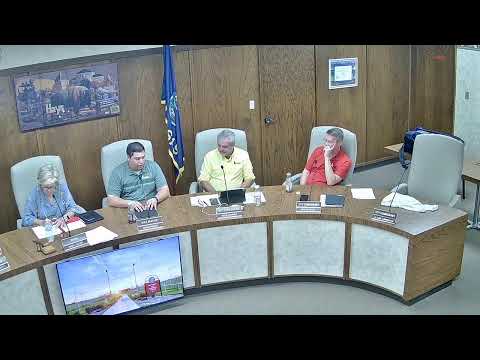
Mayor Jacobs and several commissioners used the May 22 meeting to warn residents and stakeholders about a proposed reduction to the federal Essential Air Service (EAS) subsidy program that they said could threaten commercial air service to Hays.
Mayor Jacobs told the commission she had written to federal lawmakers and urged community members to contact their representatives. "It's important that our legislators understand," she said, noting local leaders, the hospital and Fort Hays State University have raised concerns about the proposal.
Why it matters: Commissioners said losing EAS funding would not only eliminate commercial flights but also reduce eligibility for federal airport grants tied to commercial service, which in turn would make it difficult for the city to afford runway and other airport improvements. One commissioner summarized the revenue linkage: without commercial service the city would lose EAS subsidy and the larger FAA grant opportunities that help fund runway projects.
Public outreach and responses: Commissioners reported outreach to congressional staff. The commission noted that some members of the delegation have expressed support; a staff communication said Congressman Mann had submitted a request to fully fund EAS to a House subcommittee. Mayor Jacobs and commissioners encouraged residents to contact Senators Moran and Marshall and Congressman Mann to register support for full EAS funding.
Next steps: Commissioners asked community members to continue contacting federal offices and to coordinate with hospital and university leaders to demonstrate regional need. Staff agreed to share contact information and advocacy talking points as requested.