Get Full Government Meeting Transcripts, Videos, & Alerts Forever!
Get email alerts on the Senior Services Budget Policy topic
No spam. Unsubscribe anytime.
Worcester senior-center staff warn of federal/state funding losses; SHINE and RSVP programs at risk
Summary
Senior-center staff told the Elder Affairs Commission that the national SHINE program faces funding jeopardy and the local RSVP volunteer coordination is defunded; staff described contingency steps, grant applications and service impacts.
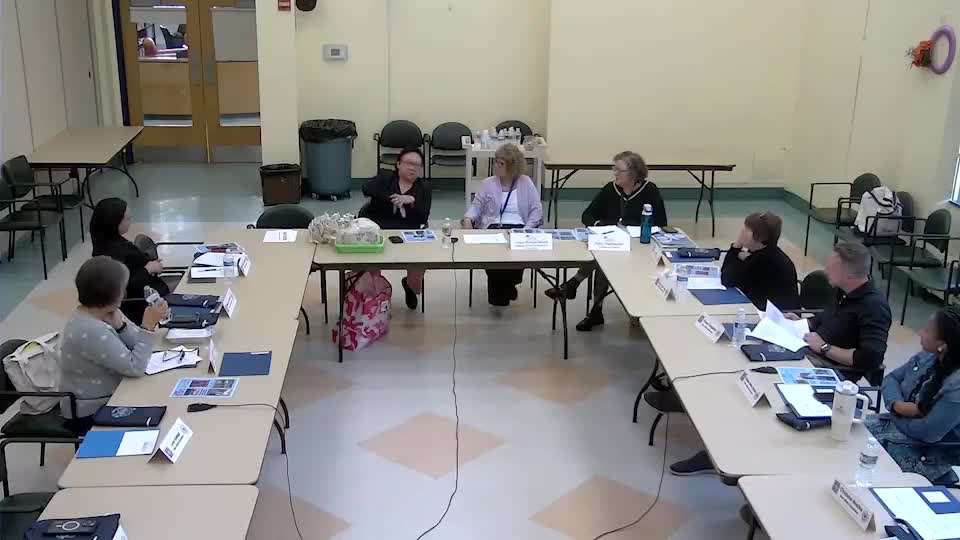
Senior-center staff reported to the Elder Affairs Commission that recent funding shifts at the state and national level have put key programs that serve older residents at risk, including the RSVP volunteer program and SHINE Medicare counseling.
A senior-center staff member told commissioners that “our RSVP, the retired and senior volunteer program is defunded definitely,” and that SHINE — the nationwide Medicare counseling program — is “in great jeopardy.” The staff member said the city center currently has at least four counselors who are SHINE-trained but warned that the loss of national training and coordination will limit access to up-to-date Medicare guidance.
Staff framed the uncertainty as part of a broader budget cycle: the House and Senate recommended an increase for councils on aging, but additional funds will not be available immediately, and center leaders are preparing for operating-year uncertainty. The center is applying for a state field-demonstration grant distributed through the Massachusetts Councils on Aging (MCOA) to expand a behavioral-health pilot and to test whether requiring insurance affects participation.
The staff report described operational impacts and contingency work: volunteers continue to provide many services but staff said that the loss of RSVP coordination removes a layer of paid coordination for hundreds of volunteers. The center will rely on internal SHINE-trained volunteers and staff while national training and new guidance are unavailable; the staff member said this arrangement could work short-term but will limit new-regulation updates and centralized oversight.
Staff also described other program and facility work: the center is piloting migration from a local SharePoint case-tracking system to the MySeniorCenter data platform starting June 1, preparing for a July 1 rollout if required; grounds and community-garden work continues; and the center is pursuing historic-tax-credit-related due diligence for a vacant building being considered for elder housing.
The commission approved meeting minutes from April 28 and the Senior Center Committee report from May 13 during the session; both motions were put to voice vote and carried. Staff noted the center’s 25th-anniversary celebration on June 11 and several upcoming programs and collaborations with community partners such as DTA, St. Paul’s and UMass medical students working on fall-prevention assessments.
Commissioners asked about contingency plans for SHINE and staffing; staff answered that national contingency planning is limited and that the center’s SHINE counselors will continue volunteer work but will stop receiving centralized training information until funding or coordination is restored.
Staff urged continued outreach to legislators and partners while applying for alternate grants and said they will pass along firm updates as they arrive.