Get Full Government Meeting Transcripts, Videos, & Alerts Forever!
Get email alerts on the Erp Implementation topic
No spam. Unsubscribe anytime.
Clerk asks that ERP implementation and temporary backfill be budgeted as one-time project costs
Summary
Pinellas County Clerk and County Administrator said an enterprise resource planning (ERP) replacement is a large, disruptive project that should be carried in the capital/project budget and include temporary backfill positions to avoid burying one-time implementation costs in operating budgets.
The Pinellas County Clerk and County Administrator told commissioners the county’s planned enterprise resource planning (ERP) replacement is a major, multi-year project that should be funded as a one-time capital effort with backfill funding for staff assigned to implementation.
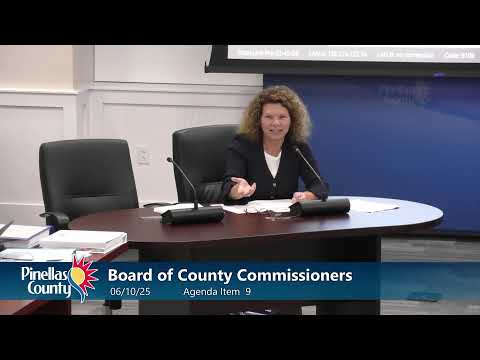
Clerk Ken told the commission the ERP project will affect many departments and require backfill for the experienced staff who must work on implementation. "You can't be doing your same job and doing the implementation of the new ERP system," the clerk said, explaining that project work requires subject-matter experts who would otherwise be performing day-to-day duties.
Why it matters: County leaders said past county IT implementations showed the risk of inadequate planning and staffing and that failed enterprise projects can be very disruptive. The county administrator and clerk said temporary positions tied to the implementation should be funded through the capital/project budget so the operating budget isn’t left carrying permanent increases after the project ends.
Key details: Commissioners were told the ERP RFP has three finalists and that vendors will present in multi-day sessions. The clerk said an expert implementer has prepared a resource “heat map” outlining the types and timing of staff needed for the implementation, and the administration said it will document projected efficiencies and identify expected returns on investment before asking the commission to approve project funding.
Next steps: A project budget — not an operating-budget decision — will be presented for commission review; the clerk and the county administrator will coordinate plans for staffing, expected efficiencies, and project governance.
Ending: Commissioners emphasized careful planning and change management for the implementation and asked that projected efficiencies and monitoring be clearly documented as part of any project request.