Get Full Government Meeting Transcripts, Videos, & Alerts Forever!
Get email alerts on the County Budget topic
No spam. Unsubscribe anytime.
Pinellas County begins FY2026 budget review with $17.4 million structural gap
Summary
County leaders opened six days of budget workshops, outlining a recurring $17.4 million shortfall, flat health benefit costs, and an uncertain property-tax base after storm-related property losses.
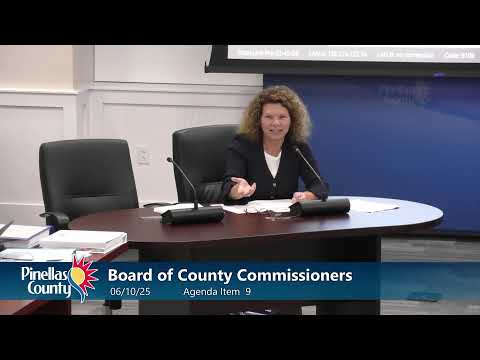
Pinellas County commissioners and staff opened a multi-day budget review on a Tuesday, with County Administrator Barry and Office of Management and Budget analyst Chris Rose laying out a preliminary FY2026 picture that includes a recurring structural gap of about $17.4 million and countywide taxable-value growth currently estimated at 3.77%. "The budget is the most important thing that we do," Chair Scott said as the sessions began, urging focused, respectful questions.
The sessions are information and review meetings; County Administrator Barry told commissioners his recommended budget will be presented July 22. He and Chris Rose said the meetings are the start of a months-long process that will include follow-ups, additional research, and working with constitutional officers to close gaps before the September budget hearings.
Why it matters: Rose told commissioners the county faces a recurring imbalance between revenues and recurring expenses of about $17.4 million. That figure reflects recurring revenue vs. recurring expenses and does not include some one-time storm-related or other nonrecurring costs. The property-appraiser estimate that drives ad-valorem revenue for the budget was reported as roughly 3.77% countywide (final on July 1), down from last year’s 9.3% growth because storm-related demolitions reduced new construction value.
Key details: Rose said general increases for most county departments were not included in the early budget request; the budget does include increases built into some constitutional officers’ requests (for example, the sheriff and property appraiser). Health insurance premiums for county employees were presented later as flat for FY2026, and the county’s general fund reserve policy target will be rebuilt over multiple years as FEMA and state storm reimbursements arrive.
Next steps: Barry said staff will compile a running list of follow-up items and return to commissioners with answers, and the recommended budget will be filed July 22. The commission will then hold workshops in August and two public budget hearings in September when millage rates will be set. Commissioners pressed staff for clarifying details (reserve levels, vacancy assumptions, salary-category breakdowns), and staff committed to provide those figures during the review process.
Ending: Commissioners and staff emphasized that these meetings are the start of a deliberative process rather than final decisions; staff repeatedly asked commissioners to use the days to seek clarifying information while senior staff and administrators work to close the structural gap prior to the recommended budget presentation.