Get Full Government Meeting Transcripts, Videos, & Alerts Forever!
Get email alerts on the Animal Welfare Law topic
No spam. Unsubscribe anytime.
Mass. committee hears sweeping animal‑welfare package on dangerous‑dog rules, citations, tethering and breeder oversight
Summary
Lawmakers and dozens of advocates and municipal animal‑control officers testified for and against multiple bills that would change dangerous‑dog procedures, expand citation authority for animal control officers, update tethering standards, and set minimum standards for breeders and pet sellers.
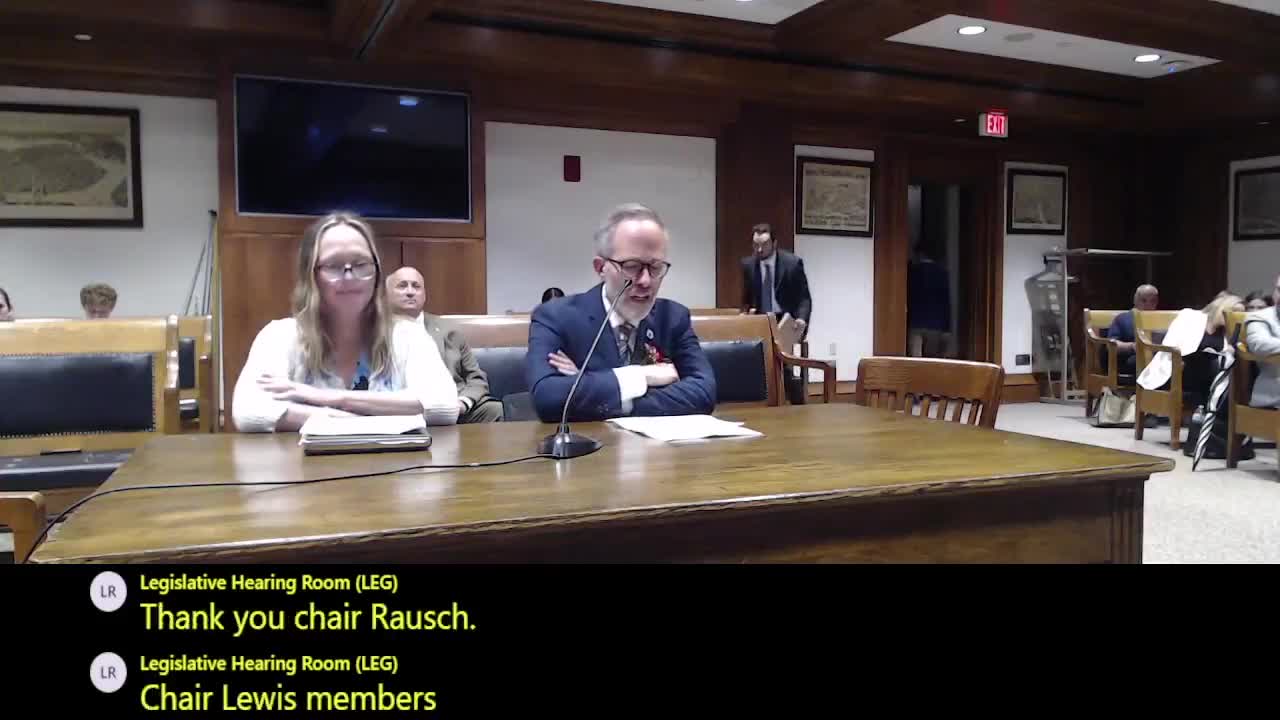
At a hearing of the Joint Committee on Municipalities and Regional Government, state lawmakers heard hours of testimony on a package of bills that would change how Massachusetts handles dangerous and nuisance dogs, expand citation authority for animal control officers, tighten rules about tethering and shelter standards, and set minimum standards for dog breeders and pet sellers.
The proposals under review include House Bill 2342 (an act relative to dangerous dogs), Senate Bill 1459 (a Senate companion), Senate Bill 1190 (authorizing issuance of citations for cruel conditions for animals), House Bill 2253 / Senate Bill 1458 (updating animal health inspections and minimum standards for breeders), and Senate Bill 1460 (tethering). Supporters told the committee the package is aimed at improving public safety and animal welfare and closing enforcement gaps; opponents warned some language could limit accepted behavior‑modification tools used by professional trainers and create enforcement or due‑process problems.
“[The bill] is a thoughtful, necessary update to chapter 140, section 157,” Representative Sylvia told the committee, describing H2342 as a collaborative product of veterinarians, municipal officials, the MSPCA, animal‑welfare organizations and animal control officers. Dr. Angela Jasper McManus, who described being attacked by an off‑leash dog, urged expanded interim controls to keep animals restrained between an incident and a hearing. “When I called the police department to ask if the dog could be muffled until the dangerous‑dog hearing, they said they cannot require what is not in the law,” she said.
Animal control officers and municipal officials pushed for broader enforcement tools. Megan Sousa, chief animal control officer for Ipswich Regional Animal Control, said expanding the reach of Chapter 174E would let ACOs issue citations for substandard conditions affecting animals other than dogs and enable stepped enforcement short of felony cruelty charges. “This amendment would allow us a little more teeth, to continue to monitor and hopefully owners would make changes with monetary violations and citations,” Sousa said. Emmanuel Masiel, director of animal control for New Bedford and longtime leader of the Animal Control Officers Association of Massachusetts, described recent cases tied to backyard breeders and chronic resource demands on municipalities.
The bills would also change tethering standards. Prael Patel of Humane Society of the United States recommended clearer, measurable definitions and said the tethering bill sets explicit shelter standards (including a proposed 100 square feet per dog), and would prohibit pinch, choke and prong collars for tethering. “The current law prohibits certain harmful tethering practices, but enforcement has proven difficult due to vague definitions,” Patel told the committee.
Not all witnesses agreed on technical standards. Stacy Ober of the American Kennel Club supported consumer protections (House Bill 2256) but opposed a universal 100‑square‑feet requirement and a blanket ban on leaving dogs outside and unattended, arguing that many working breeds require outdoor acclimation. Several professional trainers — including Jason Pergerson and Noel Cutler — urged the committee to avoid language that categorically bans tools such as prong or electronic collars, saying those tools, when used by qualified trainers, can prevent euthanasia and keep dogs in homes. “Although I believe this bill is well intended, it does threaten the ability of professional dog trainers and responsible dog owners to mitigate and manage dogs who have moderate to even severe behavioral issues,” Pergerson said.
Animal‑welfare organizations including the MSPCA and the Animal Rescue League said the bills restore enforcement parity between dogs and other species, allow earlier intervention to prevent cruelty, and would direct some fines toward the Mass Animal Fund to expand spay/neuter and wellness services; MSPCA attorney Lindsey Leger noted the commonwealth currently lacks a misdemeanor cruelty statute that applies to non‑dog species. Allison Blank of the Animal Rescue League described the Mass Animal Fund wait list closing and urged funding to support spay/neuter and wellness care.
The hearing produced no votes. Committee chairs said they would accept written follow‑up and additional briefs; witnesses promised to submit comparative state‑by‑state language and technical edits. The committee will consider the written materials and may schedule further testimony or markups at a later date.