Get Full Government Meeting Transcripts, Videos, & Alerts Forever!
Get email alerts on the Interrogation Reform False Confessions topic
No spam. Unsubscribe anytime.
Proposals to ban deceptive interrogation tactics and require recordings draw broad support
Summary
At a Judiciary Committee hearing, exonerees, defense lawyers and police practices experts urged banning deceptive tactics in interrogations and recording custodial questioning to reduce false confessions and wrongful convictions.
A bipartisan group of advocates, exonerees and law enforcement consultants urged the Joint Committee on the Judiciary to pass bills that would prohibit deceptive interrogation tactics and require audio‑video recording of custodial interrogations, arguing those measures reduce false confessions and wrongful convictions.
Why it matters: Testimony cited decades of research and high‑profile wrongful‑conviction cases in Massachusetts and nationally; supporters said recording and banning deception would protect innocent people and improve investigative reliability.
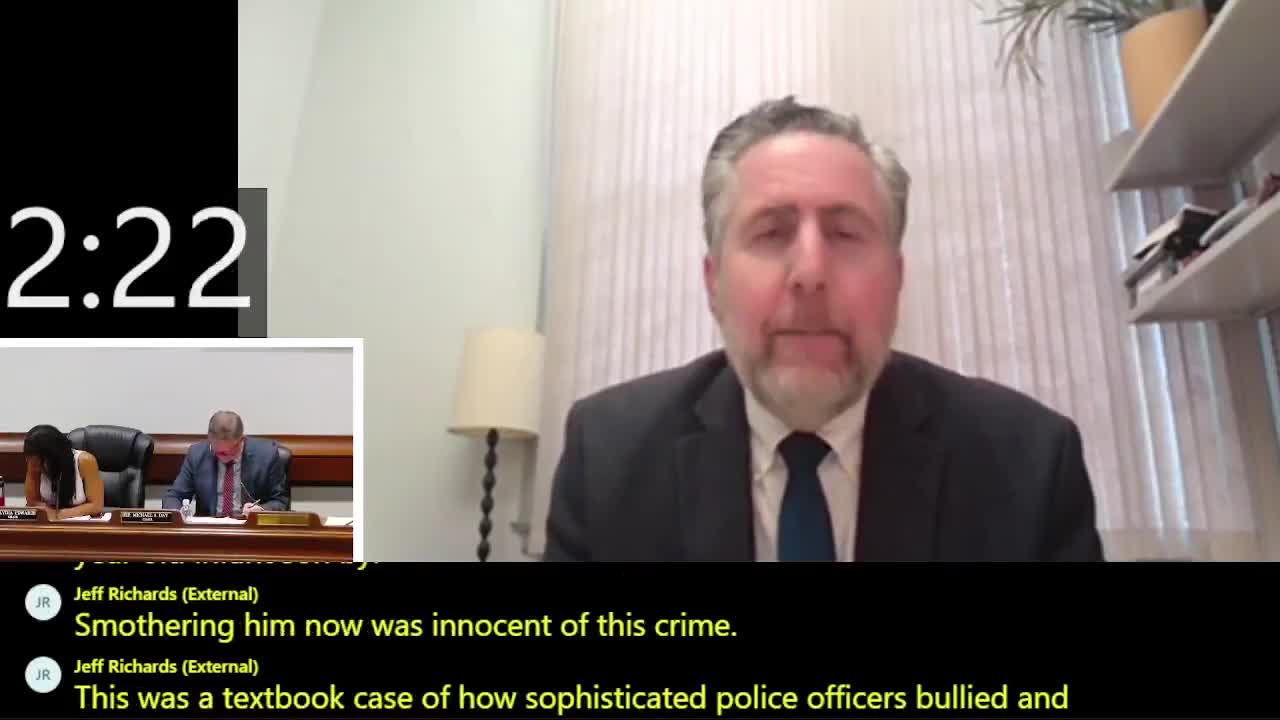
The hearing brought together former defendants who say they falsely confessed, public defenders, innocence‑advocacy groups, and law enforcement trainers. Jeff Richards of the Committee for Public Counsel Services described cases in which traumatized adolescents were coerced into statements without counsel. “Young people waive those rights 90% of the time,” Richards said, and juveniles are more likely to falsely confess than adults.
Exonerees described interrogation practices that they say broke down vulnerable people. Eddie Lowry, wrongfully convicted at age 22, told the committee he was interrogated for two days, was “so exhausted by all this battering, I just wanted out of this situation. I just told them what they wanted to hear.” Lowry and others argued that recording interrogations and banning deceptive promises of leniency or false evidence would protect the innocent and improve prosecutorial outcomes.
Alan Hirsch, a longtime interrogation researcher and consultant, told the committee that both “confrontation” (telling suspects they are definitely guilty or citing false evidence) and “minimization” (suggesting confessing will result in lesser consequences) are the interrogation methods that most often produce false confessions. He said those techniques do not reliably distinguish guilty from innocent suspects.
Law enforcement voices at the hearing were mixed. Some retired detectives and trainers testified that departments should adopt research‑backed, non‑deceptive interrogation models and that recording interviews helps accountability and training. Others pointed to practical issues—equipment, rural coverage, and the timing of arrests—but many witnesses said those logistical concerns have workable solutions and do not justify leaving interrogations unrecorded.
Several witnesses urged the committee to advance bills that would: (1) prohibit deception in juvenile and custodial interrogations, (2) require recorded interrogations, and (3) ensure counsel or a qualified adult is present for juvenile questioning. Supporters said these measures are consistent with best practices recommended by national law‑enforcement organizations and would reduce wrongful convictions.
Ending: The committee heard multiple personal accounts, expert testimony and policy arguments; no vote was taken during the hearing, but advocates asked for a favorable report to give judges and prosecutors clearer rules and to help prevent false confessions.