Get Full Government Meeting Transcripts, Videos, & Alerts Forever!
Get email alerts on the Council Rules Agenda Placement topic
No spam. Unsubscribe anytime.
Freeport aldermen debate requiring memos when two members place agenda items
Summary
A proposed change to Freeport’s council rules that would require a staff-style memo when two aldermen place items on the agenda drew extended debate and was sent back for further action.
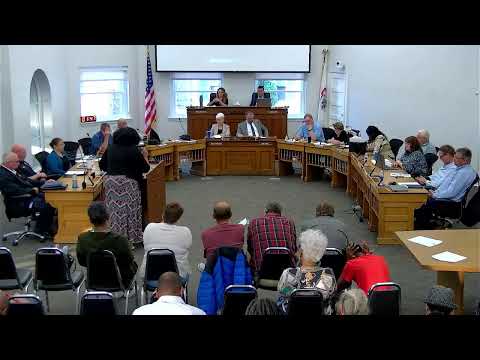
A proposed change to Freeport’s rules of council that would require two aldermen who place items on the agenda to provide a supporting memo drew extended debate at the Committee of the Whole.
The revision under discussion would amend a rules-of-council ordinance (proposed change to Section 220.1029) so that two aldermen could place an item on a city council or committee agenda only if they supplied supporting documentation describing purpose, background, financial considerations and alignment with the strategic plan. “What’s before you tonight is a discussion on Alderman Johnson’s motion, which is to allow for 2 other persons to place an item on the agenda provided that they provide supporting documentation,” City Attorney Zito said.
Why it matters: council members said the change is intended to give elected officials and the public more context when items reach the floor; opponents said it could be used to limit members’ ability to raise issues and to change long-standing rules.
Supporters and defenders of the amendment pointed to existing staff practice as a model for content. Zito described the memo elements that staff normally attaches to agenda items — background, discussion, financial impact and ties to the strategic plan — and said aldermen requesting agenda placement should provide the same type of memo so packet reviewers and the public understand the item’s purpose and cost. “You could say the background is, well, our roads aren’t getting fixed enough… Your proposal then is to say we should buy a street paver,” Zito said as an example of the memo format.
Opponents framed the change as a procedural hedge against newly learned processes. Alderman Shadle said the rule had worked until members learned how to use the avenue to place ordinance drafts and discussion items. “Now that we understanding the process, it's beginning to change,” Shadle said, arguing the amendment was an attempt to curtail some members’ access to the agenda. Alderman Sanders urged the council to define a clear checklist of required memo elements so the rule would be applied consistently.
Practical details: participants agreed a memo would need to be supplied in time for packet production; staff suggested item content is typically required by Thursday at 5 p.m. for inclusion in the packet. Several aldermen asked that the council draft a specific checklist of memo criteria and timing before codifying the change.
Outcome and next steps: the discussion reported on Alderman Johnson’s earlier motion to keep the two-member access but add a mandatory supporting memo. That motion had been referred back to the Committee of the Whole for further discussion; no final vote on the proposed amendment was taken at the meeting. The item will return to a future council agenda for formal amendment, possible amendment-to-the-amendment, and a vote.