Get Full Government Meeting Transcripts, Videos, & Alerts Forever!
Get email alerts on the Vocational Training topic
No spam. Unsubscribe anytime.
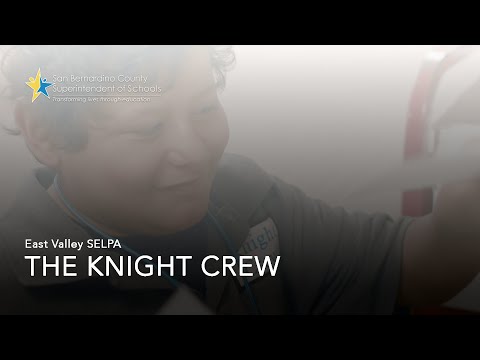
Students practice job-readiness and life skills during county office visits
Summary
A staff member described a program in which students visit the San Bernardino County Office of Education twice weekly to practice job applications, resumes, cleaning tasks and a classroom store as part of workplace and life-skills instruction.
A staff member said students visit the San Bernardino County Office of Education twice a week to practice job-readiness and daily living skills, including completing job applications and resumes, vacuuming, dusting, and operating a classroom store.
The program’s nut graf: staff told the meeting the visits are intended to help students build independence and workplace habits before they enter the workforce. “My goal in life is to make them as independent as possible,” the staff member said. “To get them out into the population so that everybody knows they exist and that they can do anything that you can do, they can do.”
In the classroom portion, students work on basic life skills such as cooking, laundry and cleaning. The staff member described classroom jobs — sweeping, emptying trash, stocking and running a classroom store — that teach students tasks, how to handle money and basic workplace routines. Staff also said the class practices job-application materials and studying different types of work.
The visits to the county office emphasize more “professional” behaviors, the staff member said, noting that students are expected to be more timely and take tasks seriously while on-site. The students typically come on Tuesdays and Wednesdays; the staff member described coordinating with the regular cleaning crew so those days would not include building cleaning activities.
Two students were described by the staff member by name: “Angel is very warm, friendly, always speaking,” and “Alex is a little quieter” but “very bright” and “able to do all of the tasks on hand.” One student who spoke during the meeting said, “I just love the papers, and I love 2 boxes of it. And I got a bunch of cars. It's just not here today. I have to come back and buy the bite, please. I think I, my favorite job is the trash.” That comment was read during the presentation as a student example of engagement with the tasks.
Staff said the on-site visits required coordination with several administrative units and partners, including human resources, risk management and Sunwest, to arrange schedules and workplace supervision. The staff member also credited classroom teachers for actively supporting the opportunity and coordinating logistics.
The presentation did not specify program enrollment numbers, funding sources or whether the visits are limited to a particular grade or program; those details were not specified in the remarks.
The program description ended with staff emphasizing the collaboration between county office staff and teachers and a stated aim of increasing student independence and visibility in community work settings.