Get Full Government Meeting Transcripts, Videos, & Alerts Forever!
Get email alerts on the Groundwater Sgma topic
No spam. Unsubscribe anytime.
Butte County report: two wet years improved groundwater levels but basins remain in long-term deficit
Summary
County water staff told supervisors that groundwater levels rose in the 2023–24 period — with Vina showing the largest short-term gains — but cumulative groundwater storage remains below year-2000 levels and long-term decline continues in parts of the county
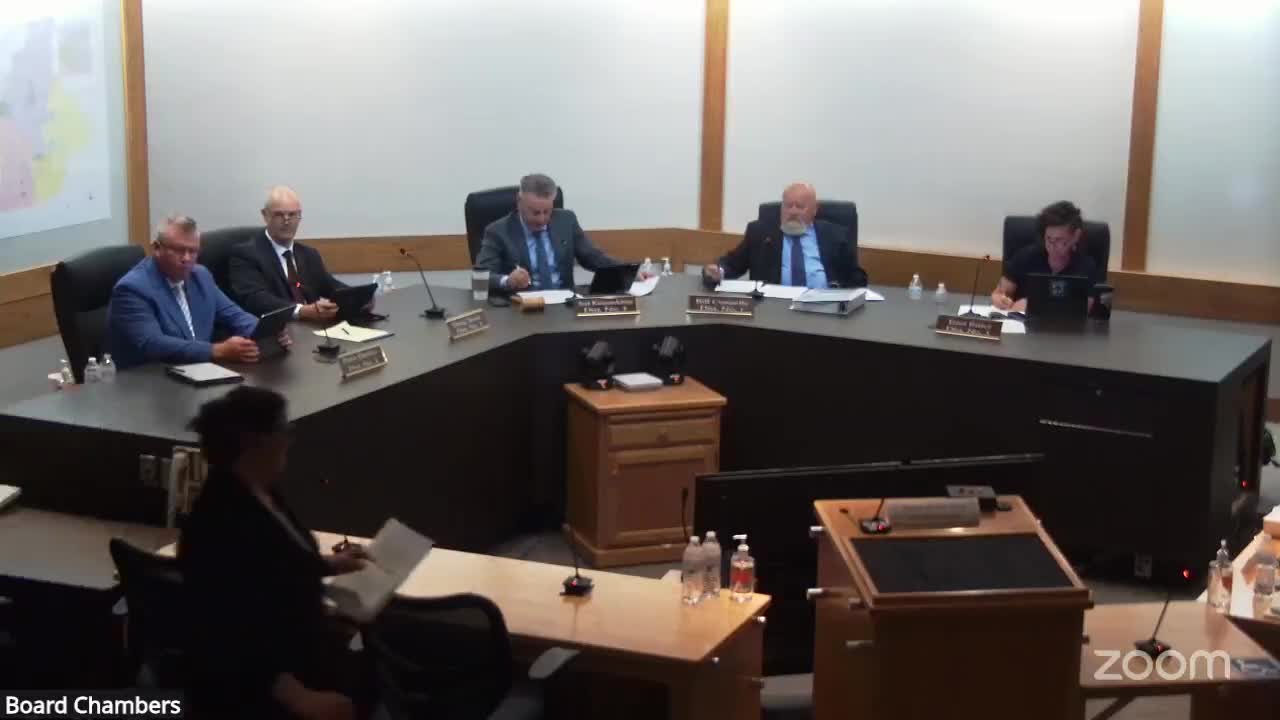
County water staff presented the annual groundwater status report for the 2024 water year on June 10, telling the Board of Supervisors that two consecutive wetter-than-normal years improved groundwater levels but did not erase a long-term storage deficit in parts of the county.
Cammy Loeser, director of Water and Resource Conservation, said the report “utilizes the information from our annual reports prepared for the groundwater sustainability agencies in compliance with the Sustainable Groundwater Management Act.” Kelly Peterson, the county’s water resources scientist, summarized sub-basin conditions and monitoring results.
Peterson described different conditions in the county’s three monitored sub-basins: the Butte Sub Basin (mostly supplied by surface water), the Vina Sub Basin (which showed an average groundwater-level increase of about 3 feet over spring-to-spring measurements), and the Wyandotte Creek Sub Basin (a shallow, relatively stable system that rose about 1 foot on average). On the Butte Sub Basin she noted that groundwater comprises a small percentage of total water use: “In water year 2024, it was about 83% of the total water use. Groundwater is just a small percentage of that,” she said, explaining why groundwater in that basin is more dependent on surface-water supply.
Staff told the board that cumulative groundwater storage remains substantially below levels recorded around the year 2000; Peterson said the Vina Sub Basin is roughly 331,000 acre-feet below that earlier level despite recent year-to-year gains. The presenters emphasized that the short-term increases largely reflect wet weather and that longer-term work — including recharge projects, expanded monitoring wells, and interagency coordination under SGMA — is needed to restore sustainable storage.
Board action: The board accepted the report. Supervisors discussed the relative roles of weather, irrigation practices and groundwater management projects in observed gains, and asked staff to continue inter-basin coordination and monitoring work.
Next steps: Staff said GSAs and the county will continue implementing recharge and resilience projects, expand monitoring well networks (especially in Wyandotte Creek), and review GSP periodic evaluations due in 2027. The county’s water department noted ongoing coordination with GSAs and a new water district that is forming to support project implementation.